Introduction to Zinc
Zinc is a vital trace mineral found in every cell of the human body. It’s the second most abundant trace mineral after iron and is required for numerous physiological functions. Even though zinc is needed only in small amounts, it has a substantial impact on human health. Zinc plays a crucial role in immune function, growth and development, wound healing, and many biochemical reactions. Additionally, it is essential for taste and smell perception, making it indispensable for overall health and well-being.
Food Sources of Zinc
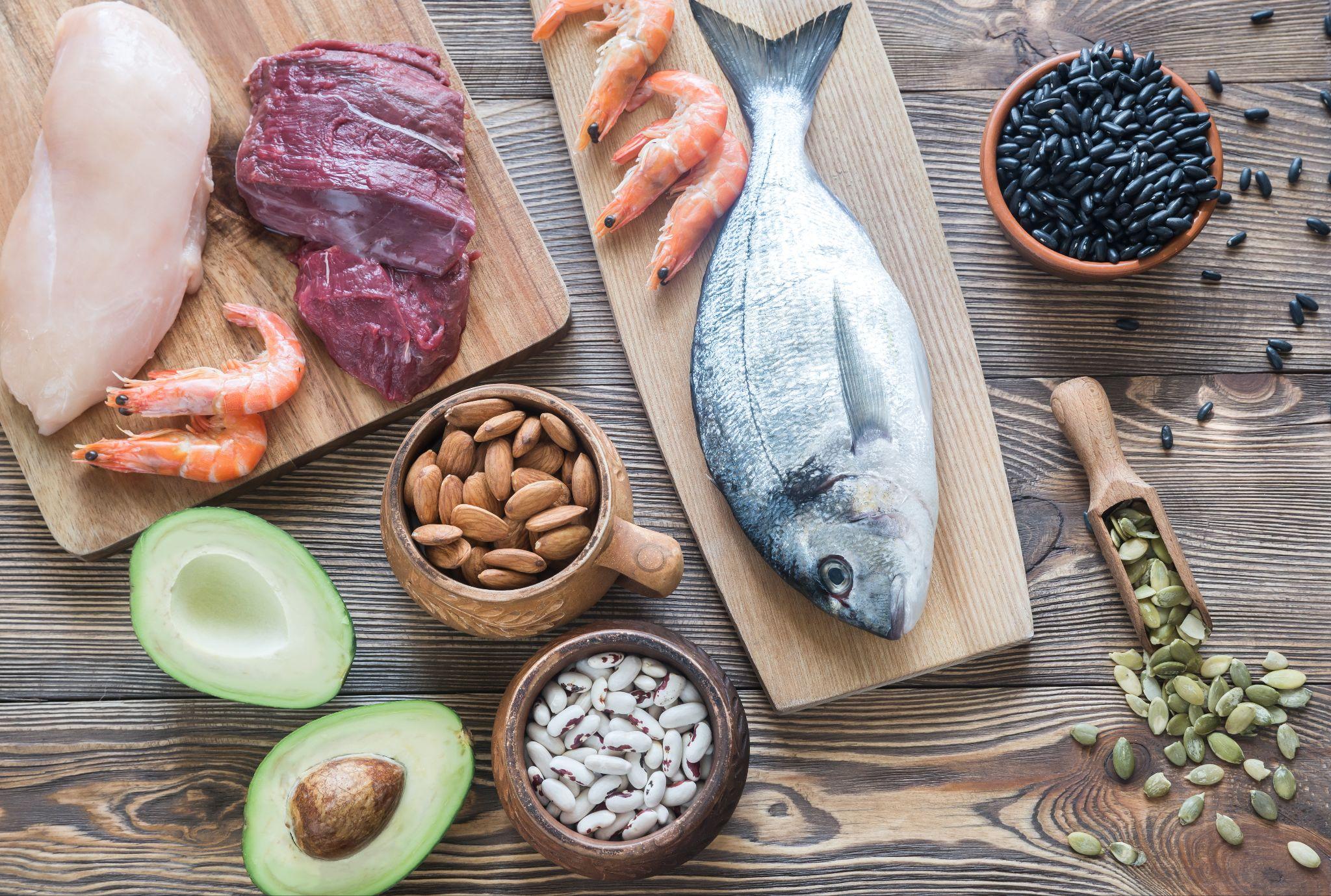
Zinc is present in a variety of foods. Some of the richest sources include:
- Oysters: The most concentrated source of zinc.
- Red Meat: Particularly beef and lamb.
- Shellfish: Especially crab and lobster.
- Poultry: Chicken and turkey are good sources.
- Legumes: Chickpeas, lentils, and beans provide zinc, though the presence of phytates in legumes can inhibit absorption.
- Nuts and Seeds: Such as almonds, cashews, and pumpkin seeds.
- Dairy Products: Including cheese and milk.
- Whole Grains: Though like legumes, they contain phytates that can reduce zinc absorption.
- Dark Chocolate: Contains moderate levels of zinc.
Functions and Benefits of Zinc
Zinc is involved in numerous bodily functions, including:
- Immune Support: Zinc is crucial for the development and function of immune cells, particularly T-cells, which play a central role in the immune response. A deficiency in zinc can impair immune function, making the body more susceptible to infections .
- Wound Healing: Zinc is often used in hospitals to treat burns, certain ulcers, and other skin injuries due to its role in maintaining skin integrity and structure .
- Growth and Development: Zinc is essential for proper growth and development during pregnancy, infancy, and childhood, making it crucial for these life stages .
- Sensory Function: Zinc plays a vital role in taste and smell. A deficiency in zinc can lead to a diminished ability to taste and smell, impacting dietary habits and nutritional status .
Deficiency Symptoms of Zinc
Zinc deficiency can occur due to inadequate dietary intake, poor absorption, or increased loss of zinc from the body. Symptoms of zinc deficiency include:
- Growth retardation and delayed sexual maturation.
- Skin rashes and lesions.
- Chronic diarrhea and gastrointestinal disturbances.
- Weak immune system and increased susceptibility to infections.
- Hair loss and impaired wound healing.
- Decreased appetite and cognitive function .
Excess Symptoms of Zinc
While zinc is essential for health, excessive intake, particularly from supplements, can be harmful:
- Acute symptoms of zinc toxicity include nausea, vomiting, loss of appetite, stomach cramps, diarrhea, and headaches.
- Chronic excessive intake can lead to copper deficiency, reduced immune function, and reduced levels of high-density lipoproteins (HDL) or “good” cholesterol .
Recommended Daily Intake of Zinc
The recommended daily intake of zinc varies by age, sex, and life stage:
- Infants (0-6 months): 2 mg
- Infants (7-12 months): 3 mg
- Children (1-3 years): 3 mg
- Children (4-8 years): 5 mg
- Children (9-13 years): 8 mg
- Males and Females (14-18 years): 11 mg for males, 9 mg for females
- Adults (19 years and above): 11 mg for males, 8 mg for females
Pregnant and breastfeeding women have higher zinc requirements, with recommended intakes of 11-12 mg and 12-13 mg respectively .
Absorption and Interactions of Zinc
Zinc is primarily absorbed in the small intestine, and its absorption can be influenced by various dietary factors:
- Phytic Acid: Found in grains and legumes, can inhibit zinc absorption. Soaking, sprouting, and fermenting these foods can reduce phytic acid content and improve zinc bioavailability.
- Iron, Calcium, and Copper: Excessive intake of these minerals can compete with zinc absorption, potentially leading to deficiencies .
- Protein: High-protein foods, especially animal proteins, can enhance zinc absorption .
Deficiency Diseases or Conditions Related to Zinc
Severe zinc deficiency can cause significant health issues, including:
- Impaired Growth and Development: Particularly in children, zinc deficiency can lead to stunted growth and developmental delays.
- Delayed Sexual Maturation: Zinc is crucial for reproductive health, and deficiency can lead to delayed sexual development.
- Impaired Immune Function: Zinc deficiency can result in a weakened immune response, increasing the risk of infections .
Toxicity or Overdose Effects of Zinc
Excessive zinc intake can lead to both acute and chronic health issues:
- Acute Toxicity: Symptoms include gastrointestinal distress such as nausea, vomiting, and diarrhea.
- Chronic Toxicity: Long-term high intake of zinc can interfere with the absorption of other essential minerals like copper, leading to deficiencies and other health problems .
Special Considerations for Zinc
Certain populations may be at higher risk for zinc deficiency, including:
- Vegetarians: Due to the lower bioavailability of zinc from plant sources.
- Pregnant and Lactating Women: Due to increased requirements.
- Individuals with Gastrointestinal Diseases: Such as Crohn’s disease or ulcerative colitis, which can impair zinc absorption.
- Alcoholics: Chronic alcohol consumption can interfere with zinc absorption and increase its excretion .
Additional Facts about Zinc
- The body does not produce or store zinc, necessitating a regular dietary intake.
- The average human body contains about 2-3 grams of zinc, mainly in the skeletal muscles and bones.
- Zinc is involved in the processing of carbohydrates, fats, and proteins.
- Zinc plays a role in maintaining skin integrity and mucosal membranes.
- Zinc deficiency was first identified in 1961 during a study involving young Iranian males.
- The bioavailability of zinc is lower in vegetarian diets compared to non-vegetarian diets .
Sources
- Healthline on Zinc Benefits
- National Institutes of Health on Zinc
- Mayo Clinic on Zinc and Immunity
- WebMD on Zinc Deficiency