Delving into the realm of minerals essential for your health, you might find zinc standing out as a potent ally. Serving as an essential nutrient and a powerful antioxidant, zinc’s benefits for health are extensive and vital. This mineral is not merely a supplement to your diet; it’s a cornerstone of wellness. From bolstering immune function to facilitating the synthesis of proteins and DNA, zinc is a driving force behind your body’s natural ability to thrive and heal.
Whether found in nutrient-rich foods like beans, meat, and fish or available as a dietary supplement, incorporating zinc into your daily routine can maximize your health with zinc. Lean on the antioxidative prowess of zinc to reduce oxidative stress and keep chronic diseases at bay. Embrace the protective shield it offers your immune system against infectious threats. With zinc, you unlock a spectrum of health fortifying benefits that support a robust and vibrant life.
Key Takeaways
- Zinc is vital for immune health and acts as a significant antioxidant.
- It plays a crucial role in growth, DNA synthesis, and protein production.
- Including zinc in your diet can help defend against oxidative stress and reduce the risk of chronic illnesses.
- Zinc-rich foods and supplements are valuable sources to maximize your health with zinc.
- Optimal zinc levels can promote effective wound healing processes and immune system responses.
The Essential Role of Zinc in Human Health
As you explore the impact of minerals on your health, understanding the role of zinc in health is paramount. This vital nutrient is not just another element on the periodic table; it’s a key factor in over 300 enzymatic reactions in the body, echoing its importance in our daily physiological functions.

What Is Zinc?
Often recognized for its zinc antioxidant properties, zinc is a mineral that your body can’t produce or store, making it essential to procure through diet or supplementation. This trace element is crucial for maintaining optimal health, as it interacts with a myriad of molecular pathways and supports numerous biochemical processes.
Understanding Zinc’s Vital Functions
Zinc’s properties are as diverse as they are critical. It cements its role in health by promoting growth, aiding in tissue repair, and maintaining proper immune function. With its involvement in protein synthesis and DNA creation, zinc’s presence is non-negotiable for cellular replication and repair, immune defense mechanisms, and overall bodily growth.
Antioxidant Properties of Zinc
Aside from its role as a vital nutrient, zinc is renowned for its antioxidant prowess. By combating oxidative stress, zinc safeguards cells from damage and inflammation that could lead to chronic diseases such as metabolic syndrome. The antioxidant properties of zinc also extend to supporting the body’s natural defense systems, making this mineral indispensable for a healthy life.
| Function | Benefit |
|---|---|
| Enzyme Reaction | Facilitates over 300 enzymatic processes |
| Immune System Support | Strengthen your body’s defenses against infections |
| Cellular Health | Prevents cellular damage and aids in repair |
| Protein Synthesis | Assists in the production of vital proteins |
| Antioxidant Activity | Helps protect against oxidative stress and inflammation |
Detecting and Addressing Zinc Deficiency
Being mindful of your body’s needs is crucial, and when it comes to maintaining your well-being, it’s important to recognize zinc deficiency symptoms. A lack of adequate zinc can significantly impact your health, particularly your immune system. Therefore, staying informed about the signs and risks associated with zinc deficiency is a vital part of your health management.
Common Symptoms of Zinc Deficiency
The symptoms of a zinc deficiency may fly under the radar initially, but they manifest in various ways that can disrupt your daily life. From a dwindling appetite to impaired immune function, the signs can be as subtle as a change in taste or as clear as consistent unwellness. Here’s how to recognize zinc deficiency:
- Impaired Immune Function: Frequent infections or prolonged recovery times can signal a compromised immune system needing more zinc.
- Delayed Growth in Children: Zinc is essential for growth; without it, children may experience growth delays.
- Wound Healing Delays: Zinc aids in tissue repair and without sufficient levels, wound healing can be significantly slowed.
- Changes in Taste and Smell: Decreased sensitivity can be an early indication of a deficiency.
Who Is at Risk for Zinc Deficiency?
While anyone can experience a decrease in zinc levels, certain groups may face a higher risk. Individuals with specific health concerns—including gastrointestinal conditions that affect nutrient absorption—might struggle to maintain adequate levels of this mineral. Moreover, those who adhere to a plant-based diet are at risk since the zinc found in plant sources is less readily absorbed by the body.
| Risk Factor | Explanation |
|---|---|
| Gastrointestinal Diseases | Conditions such as Crohn’s disease can impair zinc absorption, leading to deficiency. |
| Plant-Based Diets | Zinc in plant sources is less bioavailable, possibly requiring supplementation. |
| Chronic Illnesses | Illnesses like diabetes or liver disease can lead to lower zinc levels. |
| Alcoholism | Excessive alcohol consumption can hinder the body’s zinc absorption and storage. |
Zinc’s Role in Immune Competence
Understanding the influence of zinc for the immune system helps you appreciate why managing zinc levels is essential. Zinc doesn’t just support the body’s defensive responses; it’s crucial for developing and activating immune cells. Even mild zinc deficiency can weaken the immune system, making it imperative to ensure you have enough of this mineral for immune competence.
- Improved cell-mediated immunity and antioxidant protection.
- Reduced inflammation and risk of infectious diseases.
- Potential enhancement of vaccine efficacy and immune response.
Whether you’re at a higher risk due to your diet or health status, staying vigilant about your zinc intake could be pivotal in fending off deficiencies and supporting your overall health.
Unlocking the Benefits of Zinc for the Immune System
If you’re striving to boost your immune system efficacy, zinc supplements might be a powerful ally in your wellness regimen. Deeply rooted in the sphere of immune system enhancement, the zinc benefits permeating health science spotlight this mineral’s crucial role. But how exactly does it bridle the immune system’s full potential?
Zinc serves as a formidable fortifier of our body’s defenses, providing the necessary ammunition to thwart various pathogens. Its impact does not halt at mere protection; it extends to ameliorating our body’s response to vaccines—a salient factor for elder demographics whose immune systems naturally wane with time.
We often seek quick relief from the discomfort of common cold symptoms, and here, too, zinc stands as an efficient remedy. The introduction of zinc supplements can significantly curtail the duration of cold symptoms, underlining zinc’s impressive impetus on our immune system’s responsiveness.
The integration of zinc into your health routine not only shields but invigorates, offering a dual-action approach to disease prevention and recovery. Embrace the zinc-induced revamp of your immune system, illuminated by scientific acclaim.
| Zinc’s Immune-Boosting Aspect | Advantage in Health |
|---|---|
| Antioxidant Effect | Counteracts oxidative stress and shields cells |
| Enhances Vaccine Efficacy | Potentiates immune response, particularly in the aged population |
| Abbreviates Common Cold | Shortens cold duration with proper supplementation |
| Defends Against Pathogens | Strengthens immune barriers to various infections |
Comprehending what zinc does for your body illuminates the path to maintaining your health proactively. With the compass of science to guide you, adopt the use of zinc supplements judiciously and give your immune system the strategic advantage it merits.

Zinc’s Impact on Skin Health and Wound Healing
The significance of zinc for skin cannot be overstated. Serving both therapeutic and protective functions, zinc is integral to maintaining skin integrity and offers vital benefits for wound healing with zinc. By bolstering the body’s ability to repair and fortify skin tissue, zinc stands out in its ability to enhance skin health and recovery processes.
How Zinc Contributes to Skin Integrity
At the cellular level, zinc plays an essential role in the synthesis of collagen, a foundational protein for skin stability and elasticity. With its involvement in cell proliferation and tissue repair, zinc supports the maintenance and overall appearance of healthy skin—making it a critical ingredient for your skin’s wellness.
Treatment of Acne and Other Skin Conditions with Zinc
Zinc treatment for acne and other inflammatory skin conditions has gained prominence due to its anti-inflammatory properties. It regulates oil gland activity, mitigates the impact of bacteria that contribute to acne, and reduces the occurrence of acne flare-ups. Aiding in the management of dermatological issues, zinc represents a powerful natural remedy within your skincare arsenal.
Speeding Up Wound Recovery with Zinc Supplementation
Zinc supplementation is increasingly recognized for its ability to expedite the wound healing process. By stimulating a range of immune defense mechanisms and assisting in the natural stages of skin regeneration, zinc proves effective in both routine and difficult-to-heal wounds. For those seeking to improve recovery times from skin injuries, zinc offers a promising solution.
| Skin Benefit | Role of Zinc |
|---|---|
| Acne Treatment | Anti-inflammatory and antibacterial action |
| Collagen Synthesis | Supports structure and elasticity of skin |
| Wound Healing | Facilitates immune responses and skin repair |
| Prevention of Scarring | Improves wound resolution and minimizes scar tissue formation |
Zinc Sources: Food vs. Supplements
When it comes to fortifying your health with essential minerals, understanding the best zinc sources is crucial. Zinc is indispensable for numerous bodily functions and maintaining adequate levels is key to achieving optimal health. While zinc-rich foods are available and can be a natural, easily accessible source, sometimes zinc supplements are necessary to ensure your zinc intake meets daily needs, particularly if dietary restrictions are in place.
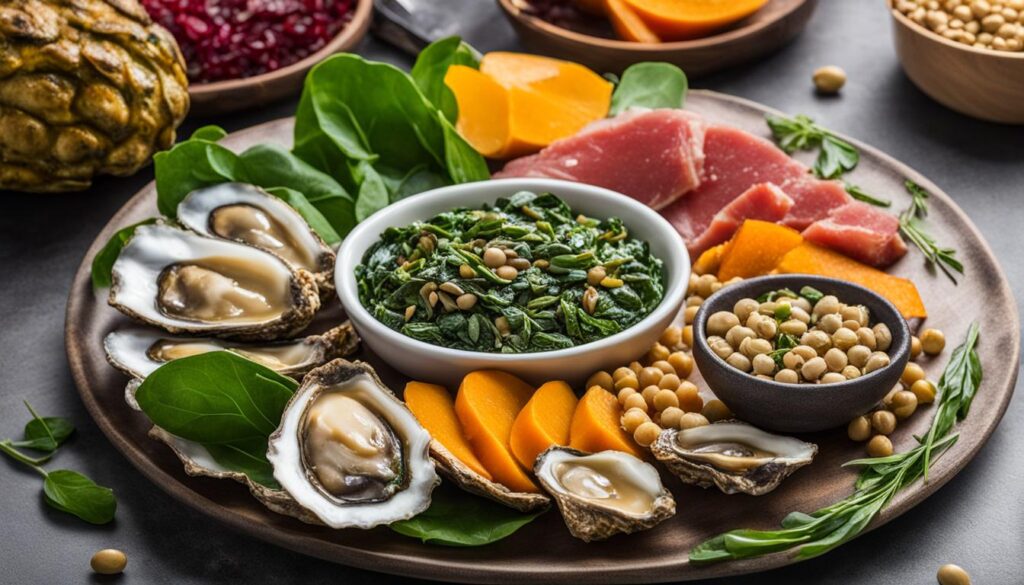
Commonly, zinc is naturally abundant in a diverse array of foods, ensuring that most individuals can maintain sufficient zinc levels through diet alone. For instance, meat and shellfish boast some of the highest concentrations of bioavailable zinc, making them excellent options for non-vegetarian diets. However, for those adhering to a vegetarian or vegan lifestyle, legumes, nuts, and seeds are potent plant-based zinc sources that, although rich in this mineral, contain phytates that can hinder zinc absorption. This necessitates a more attentive approach to ensure adequate zinc intake.
To complement dietary sources or to serve as an alternative for those with restricted diets, zinc supplements present a reliable solution. They come in various forms, including capsules, tablets, and liquid extracts, each designed to aid in overcoming the challenges associated with achieving the recommended daily zinc intake.
| Zinc Source | Advantages | Considerations |
|---|---|---|
| Meat & Shellfish | High bioavailability of zinc | Not suitable for vegetarian/vegan diets |
| Legumes & Nuts | Plant-based, suitable for most diets | Contain phytates that may reduce zinc absorption |
| Zinc Supplements | Convenient for increasing intake | Dosage & form should be considered; consult a healthcare professional |
It’s important for you to consider both dietary sources and supplements when addressing your zinc needs. Incorporating a balanced array of zinc-rich foods and, where necessary, quality zinc supplements can help bridge any nutritional gaps, promoting your long-term health and well-being.
While food should ideally be your primary source of all nutrients, supplements provide a practical and potent means to ensuring adequate zinc intake, especially when dietary restrictions or certain health conditions preclude you from sourcing enough zinc through food alone. Tuning into your body’s signals and talking to a healthcare provider can help you navigate the path of zinc supplementation sensibly and safely.
Optimal Zinc Dosage for Different Age Groups
Understanding the correct zinc dosage is crucial to harnessing the benefits of this essential mineral. Your zinc intake must be carefully calibrated to match your age and stage in life, ensuring that your body receives the right amount to function optimally without exceeding safe limits. With a growing interest in zinc supplementation for all ages, it’s pivotal to recognize the varying needs across different demographics.
Daily Zinc Requirement Explained
Zinc requirements fluctuate throughout life, calling for adjustments in daily zinc intake based on a person’s age and biological sex. This section highlights the daily recommended amounts, giving you a foundation for understanding how much zinc you or your loved ones should consume.
| Age | Males (mg/day) | Females (mg/day) |
|---|---|---|
| 0–6 months | 2 | 2 |
| 7–12 months | 3 | 3 |
| 1–3 years | 3 | 3 |
| 4–8 years | 5 | 5 |
| 9–13 years | 8 | 8 |
| 14–18 years | 11 | 9 |
| 19+ years | 11 | 8 |
Zinc Needs During Pregnancy and Lactation
During pregnancy and lactation, the demand for zinc spikes as it supports critical developmental processes. If you’re expecting or nursing, your zinc dosage recommendations change to fulfill these increased requirements:
| Category | Zinc (mg/day) |
|---|---|
| Pregnant adults (19+ years) | 11 |
| Breastfeeding adults (19+ years) | 12 |
Safe Supplement Practices for Zinc Consumption
While focusing on zinc supplementation, safety is paramount. Adults should avoid consuming more than 40 mg per day to prevent adverse effects. The key is to maintain a balance—benefiting from zinc’s numerous health properties without overloading your system, which underscores the importance of zinc dosage mindfulness when considering supplements.
Furthermore, always seek medical advice before commencing a zinc supplementation regimen. Factors such as your current health status, existing medications, and overall diet must be taken into account to establish a zinc intake strategy that’s tailored to your unique needs. Below, we provide general guidelines to ensure you’re on the safe side of zinc consumption:
- Review your diet first to determine if you’re already meeting your zinc needs.
- Choose a reputable brand that adheres to regulated standards of supplement quality.
- Consult with a healthcare professional to confirm the appropriate dosage.
- Monitor your body’s response to the supplements and adjust as recommended by a medical practitioner.
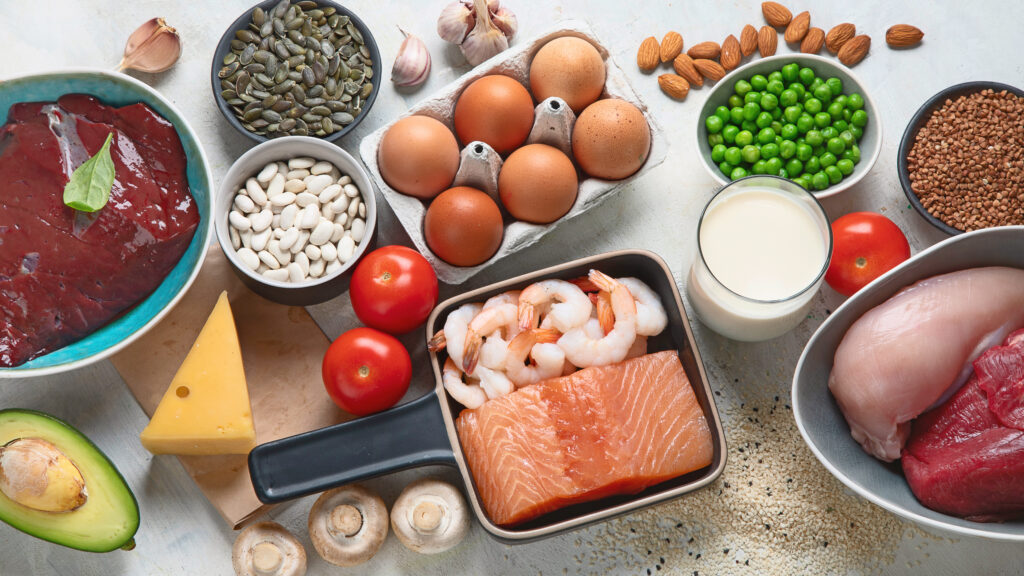
Foods High in Zinc for lowers cholesterol; reproduce health, boosts immune system.
Zinc’s Protective Roles Against Age-Related Illnesses
As we age, our bodies undergo a plethora of changes, including an increased vulnerability to certain diseases. Fortunately, incorporating adequate amounts of zinc into your diet can offer age-related benefits, helping to shield your health as the years advance. Zinc’s role in mitigating oxidative stress, commonly associated with aging and the onset of chronic disease, is critically valuable. This mineral not only supports but also enhances immune function, offering a form of health protection that can be particularly beneficial for older adults.
Regular consumption of zinc as part of a balanced diet or through supplementation is suggested to reduce the risk and potentially slow down the progression of conditions like age-related macular degeneration and, in some research, Alzheimer’s disease. The zinc and health protection it offers hinges on its ability to stabilize and improve the performance of immune cells, adding a robust layer of defense against infection and contributing positively to mental acuity.

Oxidative stress is a contributing factor to the aging process and can lead to a range of chronic conditions. Zinc’s antioxidative properties make it an ally in your battle against chronic disease, enhancing your body’s capability to ward off these ailments. With research pointing to zinc’s abilities to boost immune cell activity, fortifying your system with this nutrient may help to maintain not only physical but also cognitive health as you age.
- Zinc may decrease the incidence of infections by boosting immune cell function.
- Zinc’s antioxidative properties can help manage oxidative stress levels, thus potentially mitigating the impact of age-related conditions.
- Maintaining sufficient zinc levels is linked to improved mental performance in older populations.
When considering zinc intake, it’s essential to understand the appropriate dosage, tailored to individual health requirements. Especially for older adults, who may experience a decreased ability to absorb zinc, consulting with a healthcare provider is recommended to assess the need for supplements.
| Potential Age-Related Benefit | Role of Zinc |
|---|---|
| Reduced Oxidative Stress | Antioxidant properties help protect cells from damage |
| Immune System Support | Enhances function of immune cells |
| Cognitive Health | Contributes to brain function and may protect against cognitive decline |
| Vision Preservation | May help to slow progression of age-related macular degeneration |
While further studies are needed to solidify the full extent of zinc’s capabilities, it remains clear that this mineral is an advantage for those seeking to protect their health into older age. Zinc’s integration into a health-conscious lifestyle stands as a testament to its value—providing zinc age-related benefits that help maintain vigor and vitality well into the future.
How Zinc Influences Men’s and Women’s Health
Exploring the dynamic relationship between essential minerals and human health, zinc emerges as a critical factor for both men and women. This mineral’s multi-faceted influence on reproductive and hormonal health is profound, affecting everything from fertility to the intricate balance of hormones in the body.
Zinc’s Effect on Fertility and Reproductive Health
The significant zinc impact on fertility cannot be understated. For men, adequate zinc levels are vital for sperm production and the maintenance of healthy testosterone levels, both of which are key to fertility. In women, zinc contributes to the reproductive cycle by supporting ovulation and cell division. A zinc-deficient diet can compromise these processes, leading to fertility issues.

The Connection Between Zinc and Hormonal Health
Zinc’s role in the endocrine system, particularly in hormonal balance, is an area of growing interest. By acting as a modulator for various hormones, zinc facilitates the proper functioning of reproductive systems, the thyroid gland, and even insulin regulation. Its antioxidant properties also help protect endocrine cells from oxidative stress, ensuring they function optimally to maintain health and wellness.
Zinc Supplementation: Risks and Rewards
When considering zinc supplement considerations, one must weigh both the potential benefits and risks. A thoughtful approach is essential as zinc supplementation may offer a boost for those with deficiencies, potentially enhancing fertility and supporting hormonal health. However, excessive intake can backfire, displaying toxic effects and compromising fertility—especially for those with already sufficient zinc levels. It’s advised to consult with healthcare professionals to strike the right balance and harness the benefits of zinc devoid of undue risks.
- Essential for the synthesis of DNA and proteins necessary for reproductive health.
- Acts as a shield for cells against oxidative damage, fostering a conducive environment for fertility.
- Consumption should be carefully monitored to prevent zinc toxicity and adverse health outcomes.
Harnessing Zinc Benefits
As we conclude this comprehensive zinc guide, it’s evident that zinc’s influence extends across various facets of our health. By maintaining optimal zinc levels through nutritional choices and supplementation, you stand to benefit from this mineral’s full potential. It encompasses enhancing immune defenses, accelerating wound healing, and upholding general wellness. However, the key to harnessing zinc benefits lies in balancing intake—understand your body’s requirements and adjust your diet to fill any nutritional voids without exceeding recommended dosages.
Your journey towards optimal health involves being cognizant of the foods and supplements that contribute to your zinc intake. This final thought on zinc is not merely an endnote but a starting point for you to integrate the insights from this guide into your lifestyle. Remember, personalized advice from healthcare professionals trumps one-size-fits-all solutions, especially when it involves your health and nutritional needs. Therefore, in pursuit of the multifarious health advantages zinc offers, always tread the path of informed and moderated consumption.
In sum, let this be your take-away: approach your health regimen with wisdom, ensuring that zinc, a mineral of such profound importance, is neither neglected nor over-consumed. Utilize this guide as a trusted resource in your continued health journey and let zinc play its rightful role in fortifying your wellness, today and in the years to come.