

Understanding Vitamin B5
Vitamin B5, or pantothenic acid, is a water-soluble vitamin that is essential for overall health. As a member of the B-vitamin family, it plays a versatile role in various bodily functions, primarily in the conversion of carbohydrates, proteins, and fats into energy. Additionally, Vitamin B5 is crucial for synthesizing cholesterol, hormones, and certain neurotransmitters, such as acetylcholine, which is involved in memory retention and muscle movement. Due to its water-soluble nature, Vitamin B5 cannot be stored in the body, necessitating a regular intake through diet.
Dietary Sources of Vitamin B5
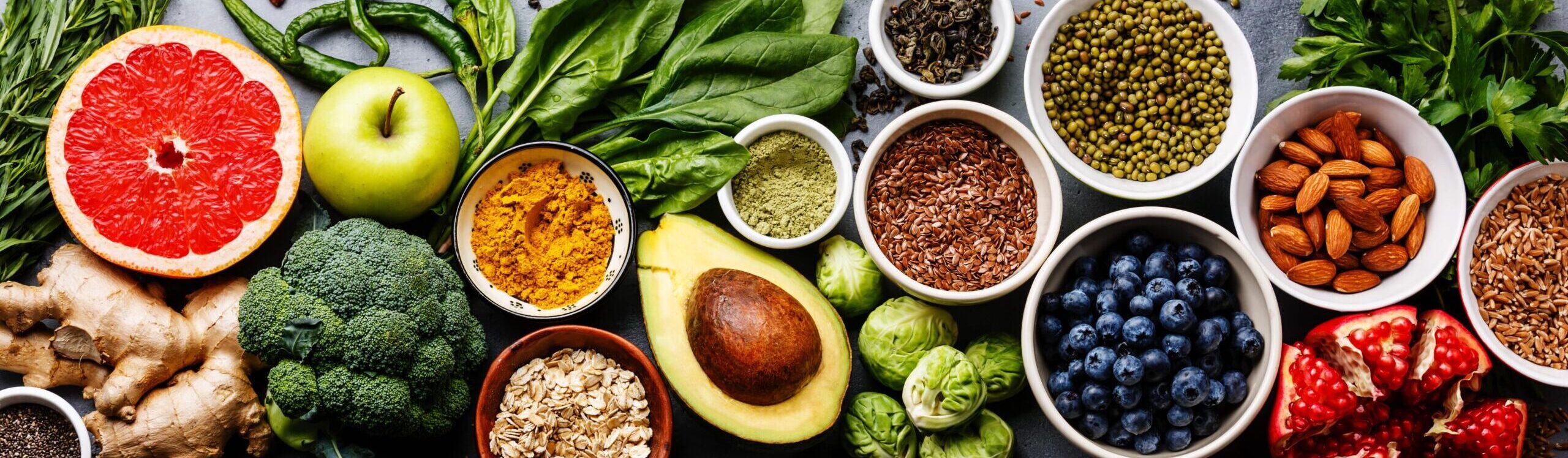
A wide variety of foods are rich in Vitamin B5, ensuring that most individuals can meet their daily requirements through diet alone. Key sources include:
- Whole Grains: Foods like brown rice, oats, and whole wheat bread are excellent sources.
- Legumes: Chickpeas, lentils, and kidney beans are rich in pantothenic acid.
- Meats and Poultry: Chicken, beef, and liver provide substantial amounts of Vitamin B5.
- Dairy Products: Milk, cheese, and yogurt contribute to the intake of this essential vitamin.
- Vegetables: Broccoli, avocados, and mushrooms are notable plant-based sources.
- Nuts and Seeds: Sunflower seeds, in particular, are a potent source of Vitamin B5.
Including a variety of these foods in your diet can help ensure a steady supply of Vitamin B5, supporting various physiological functions.
The Role and Benefits of Vitamin B5
Vitamin B5 is integral to numerous bodily processes, offering several health benefits:
- Energy Production: It assists in the breakdown of carbohydrates, proteins, and fats into energy, essential for maintaining optimal energy levels.
- Cellular Function: It supports the synthesis and repair of DNA, RNA, and proteins, promoting cell growth and maintenance.
- Skin Health: By contributing to the production of healthy skin cells and strengthening the skin barrier, Vitamin B5 helps prevent dryness and irritation.
- Neurological Health: It aids in neurotransmitter production, supporting smooth nerve cell communication and a well-functioning nervous system.
- Hormonal Balance: Vitamin B5 plays a role in producing hormones, such as cortisol, which helps regulate stress responses and maintain hormonal balance.
Signs of Vitamin B5 Deficiency
While a deficiency in Vitamin B5 is relatively rare due to its presence in many foods, insufficient intake can lead to symptoms such as:
- Fatigue
- Numbness and tingling in the limbs
- Digestive discomfort
- Skin dryness and acne
- Impaired wound healing
- Hair loss
- A weakened immune system
Maintaining a balanced diet rich in Vitamin B5 can help avoid these issues.
Effects of Excessive Vitamin B5
Vitamin B5 is generally considered safe, even in higher doses, due to its water-soluble nature, which allows the body to excrete excess amounts. However, overconsumption, particularly from supplements, can cause digestive issues like diarrhea and nausea. It’s important to adhere to recommended intake levels to avoid any potential side effects.
Recommended Daily Intake of Vitamin B5
The recommended daily intake of Vitamin B5 varies based on age, sex, and life stage:
- Infants (0-6 months): 1.7 mg
- Infants (7-12 months): 1.8 mg
- Toddlers (1-3 years): 2 mg
- Children (4-8 years): 3 mg
- Preteens (9-13 years): 4 mg
- Teens and Adults (14 years and older): 5 mg
Following these guidelines can help ensure adequate intake of Vitamin B5 for overall health.
Vitamin B5 Absorption and Interactions
Vitamin B5 is primarily absorbed in the small intestine. Factors such as excessive alcohol consumption and certain medications, including antibiotics and oral contraceptives, can interfere with its absorption, potentially leading to a deficiency. To optimize absorption, it is advisable to maintain a balanced diet and manage any potential interfering factors.
Diseases or Conditions Related to B5 Deficiency
Severe deficiency of Vitamin B5, though rare, can occur in individuals with malabsorption disorders, chronic alcoholism, or highly restrictive diets. Symptoms of deficiency include fatigue, irritability, and neurological and gastrointestinal issues. Ensuring a balanced diet can help prevent these problems.
Special Considerations for Vitamin B5
Cooking and food processing can reduce the content of Vitamin B5 in foods. To retain this nutrient, minimize processing and avoid overcooking. Individuals following a vegan or vegetarian diet or those with specific health conditions should consult a healthcare provider for personalized advice on maintaining sufficient Vitamin B5 levels.
Additional Information on Vitamin B5
Vitamin B5, derived from the Greek word “pantothen,” meaning “everywhere,” is indeed found in most food sources. It remains relatively stable during cooking and processing, although care should be taken to preserve its content. While supplements are available, a balanced diet remains the best source of this essential vitamin.
Sources