What is Vitamin A?
Vitamin A is a fat-soluble vitamin that plays a crucial role in various physiological functions in the body. It exists in two forms: retinoids (animal sources) and carotenoids (plant sources). Retinol, retinal, and retinoic acid are the three active forms of retinoids, which are converted from carotenoids in the body.
Food Sources of Vitamin A
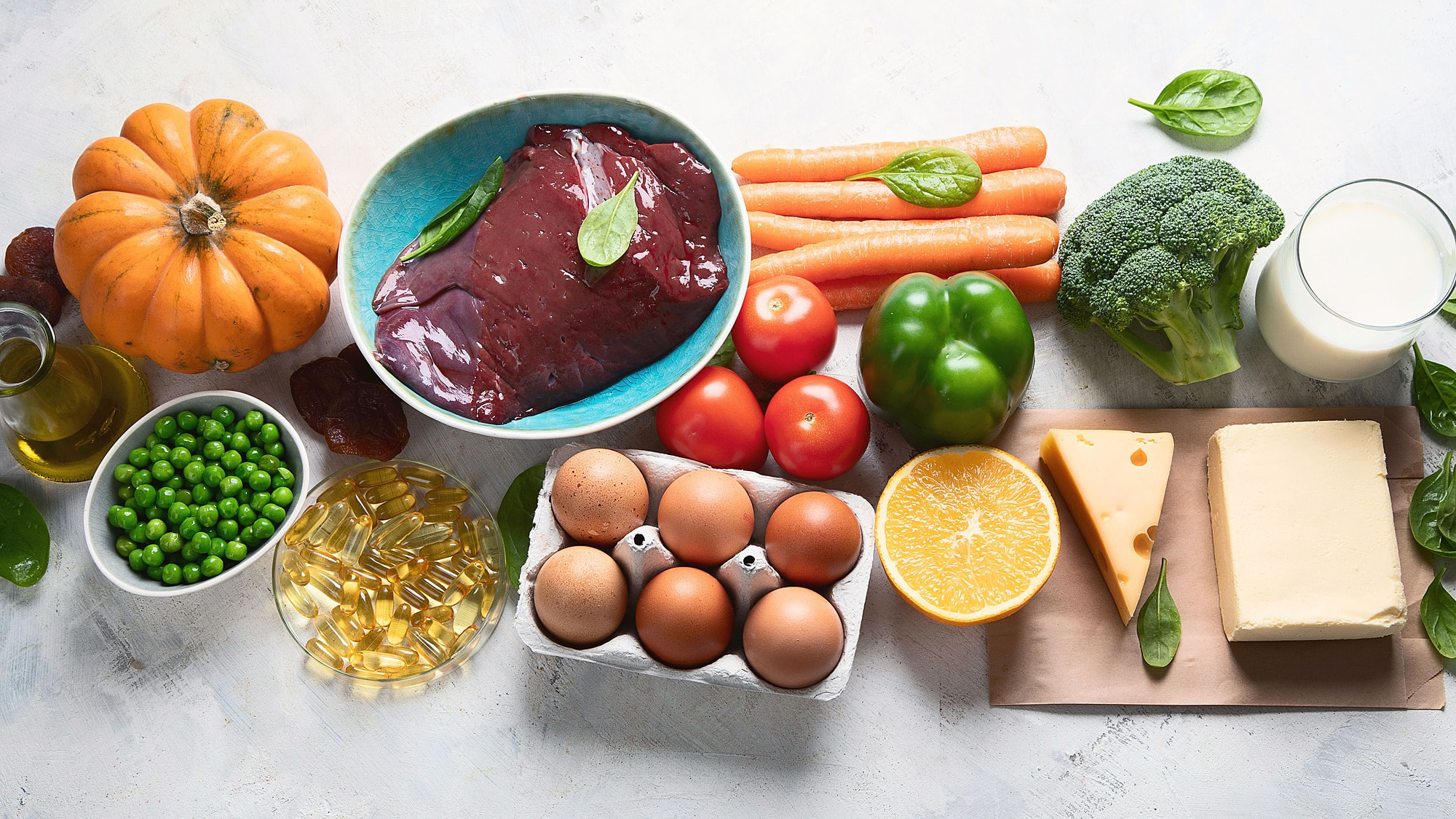
Vitamin A, an essential nutrient for vision, immune function, and cell growth, can be obtained from both animal and plant sources. Animal sources such as liver, fish, eggs, and dairy products are rich in preformed vitamin A, which our bodies can readily use. On the other hand, plant sources provide carotenoids, which can be converted to vitamin A in the body. Colorful vegetables like carrots, sweet potatoes, and dark leafy greens (such as spinach and kale) are excellent sources of these carotenoids. Other plant-based options like mangoes also contribute to our vitamin A intake. By incorporating a variety of animal and plant sources, we can ensure an adequate supply of this important vitamin for overall health and well-being.
Functions and Benefits of Vitamin A
Vitamin A plays a crucial role in maintaining healthy vision, as it is essential for the proper functioning of the retina. It also supports immune function, helps maintain healthy skin, and plays a role in cell growth and development. Furthermore, vitamin A is involved in the production of visual pigments, such as rhodopsin, which is necessary for good night vision.
Deficiency Symptoms of Vitamin A
A deficiency in vitamin A can lead to various symptoms, including;
- night blindness
- dry eyes
- increased susceptibility to infections
- skin issues, such as dry and rough skin
- in severe cases, a deficiency can lead to xerophthalmia, a condition characterized by dryness, ulceration, and ultimately blindness.
Excess Symptoms of Vitamin A
Excessive intake of vitamin A, primarily from animal-based sources, can lead to:
- a condition called hypervitaminosis A Symptoms include nausea, vomiting, dizziness, blurred vision, and even liver damage.
- Pregnant women should be especially cautious, as excessive intake of vitamin A during pregnancy can harm the developing fetus.
Recommended Daily Intake of Vitamin A
The recommended daily intake of vitamin A varies depending on age, gender, and life stage. For adults, the recommended dietary allowance (RDA) is 700 to 900 micrograms of retinol activity equivalents (RAE) per day. It is important to note that the RDA takes into account both preformed vitamin A from animal sources and the conversion of carotenoids from plant sources.
Absorption and Interactions of Vitamin A
Vitamin A is best absorbed when consumed with dietary fats. It is stored in the liver and released as needed by the body. Certain medications, such as cholesterol-lowering drugs and mineral oil, can interfere with the absorption of vitamin A. On the other hand, dietary fats can enhance its absorption.
Deficiency Diseases or Conditions
Vitamin A deficiency can lead to a range of health conditions, including xerophthalmia (as mentioned before), increased susceptibility to infections, impaired immune function, and poor growth in children. In developing countries, vitamin A deficiency remains a significant public health concern.
Toxicity or Overdose Effects of Vitamin A
Excessive intake of vitamin A supplements, especially in the form of retinol, can lead to toxicity. Symptoms of vitamin A toxicity include blurred vision, bone pain, nausea, and dizziness. Pregnant women should be cautious to avoid excessive vitamin A intake, as it can cause birth defects.
Special Considerations for Vitamin A
Vitamin A requirements may vary for individuals with certain health conditions or lifestyles. For example, individuals with conditions affecting fat absorption, such as cystic fibrosis, may have reduced vitamin A levels and require supplementation. Vegan individuals may need to pay attention to consuming adequate amounts of provitamin A carotenoids.
Additional Notes or Interesting Facts
- Beta-carotene, the precursor to vitamin A found in plant sources, is a potent antioxidant and may help protect against chronic diseases.
- Cooking methods can affect the bioavailability of vitamin A. Boiling vegetables can cause some loss, while adding fats to a meal can enhance absorption.
- The use of alcohol can interfere with the body’s ability to store and convert vitamin A, potentially leading to deficiencies.
Remember, consult with a healthcare professional or a registered dietitian before making any significant changes to your vitamin A intake or supplementation.
Source Links