
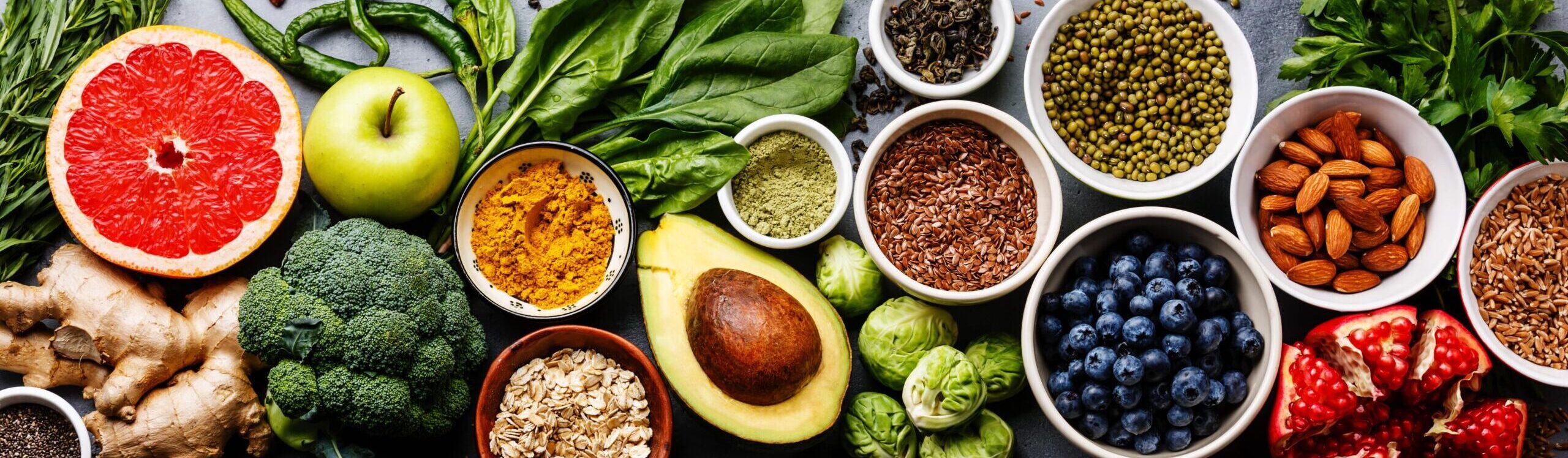

Understanding Vitamins: The Heroes of Wellness
Vitamins are vital micronutrients that play a significant role in maintaining overall health, even though they are required in only small amounts. These powerful compounds are essential for energy production, immune function, cell growth, and repair. Vitamins are categorized into two main types: fat-soluble and water-soluble, each with its unique functions and food sources.
Fat-Soluble Vitamins: A, D, E, and K
Fat-soluble vitamins are stored in the body’s fatty tissues and liver and are absorbed along with fats in the diet. These vitamins include:
- Vitamin A: Vital for vision, immune system function, and cell growth. It is found in foods like carrots, sweet potatoes, spinach, and kale. Vitamin A is also important for maintaining healthy skin and mucous membranes and for proper fetal development during pregnancy.
- Vitamin D: Often referred to as the “sunshine vitamin,” vitamin D is crucial for calcium absorption and bone health, as well as supporting the immune system. It is synthesized in the skin upon exposure to sunlight and can also be obtained from fatty fish, fortified dairy products, and egg yolks.
- Vitamin E: Acts as a powerful antioxidant, protecting cells from damage caused by free radicals. It also supports immune function and skin health. Foods rich in vitamin E include nuts, seeds, vegetable oils, and green leafy vegetables.
- Vitamin K: Essential for blood clotting and bone metabolism. It helps maintain bone density and prevents fractures. Vitamin K can be found in leafy green vegetables, broccoli, and fermented foods.
Water-Soluble Vitamins: B Complex and C
Water-soluble vitamins dissolve in water and are not stored in the body, which means they need to be consumed regularly. These vitamins include:
- B Complex Vitamins: A group of eight vitamins (B1, B2, B3, B5, B6, B7, B9, and B12) that work synergistically to support energy production, brain function, and the formation of red blood cells. They are found in whole grains, legumes, eggs, dairy products, meats, poultry, and dark leafy greens.
- Vitamin C: Also known as ascorbic acid, vitamin C is a potent antioxidant that supports immune function, aids in collagen synthesis, and enhances wound healing. It is abundant in citrus fruits, strawberries, bell peppers, tomatoes, broccoli, and leafy greens.
The Role of Vitamins in Diet and Health
Vitamins are crucial for maintaining a healthy body and mind. They help protect against infections and illnesses, support growth and development in children, boost energy levels and metabolism, enhance brain function, promote healthy skin, hair, and nails, prevent chronic diseases like heart disease and cancer, and improve reproductive health and fertility .
Embracing a Balanced Diet: Your Primary Source of Vitamins
While supplements can help address specific deficiencies, relying on a well-balanced diet is the best way to ensure adequate vitamin intake. A diet rich in a variety of fruits, vegetables, whole grains, lean proteins, and healthy fats provides all the essential vitamins needed for optimal health . Overreliance on supplements can lead to vitamin toxicity, where excessive amounts of certain vitamins accumulate to harmful levels in the body.
Vitamins are essential for a vibrant and healthy life, supporting numerous bodily functions. By eating a balanced and varied diet, you can naturally ensure adequate intake of these vital nutrients. Incorporating a colorful array of fruits, vegetables, whole grains, lean proteins, and healthy fats will help you maintain your health and well-being.