
Introduction to Potassium
Potassium is a vital mineral and electrolyte in the human body. It is one of the seven essential macrominerals, along with calcium, phosphorus, magnesium, sodium, chloride, and sulfur. The body requires at least 100 milligrams of potassium daily to support key bodily processes.
Approximately 98% of the potassium in the body is found inside cells, especially muscle cells. It plays an indispensable role in numerous bodily functions, including fluid balance, nerve signal transmission, and muscle contractions.
Food Sources of Potassium
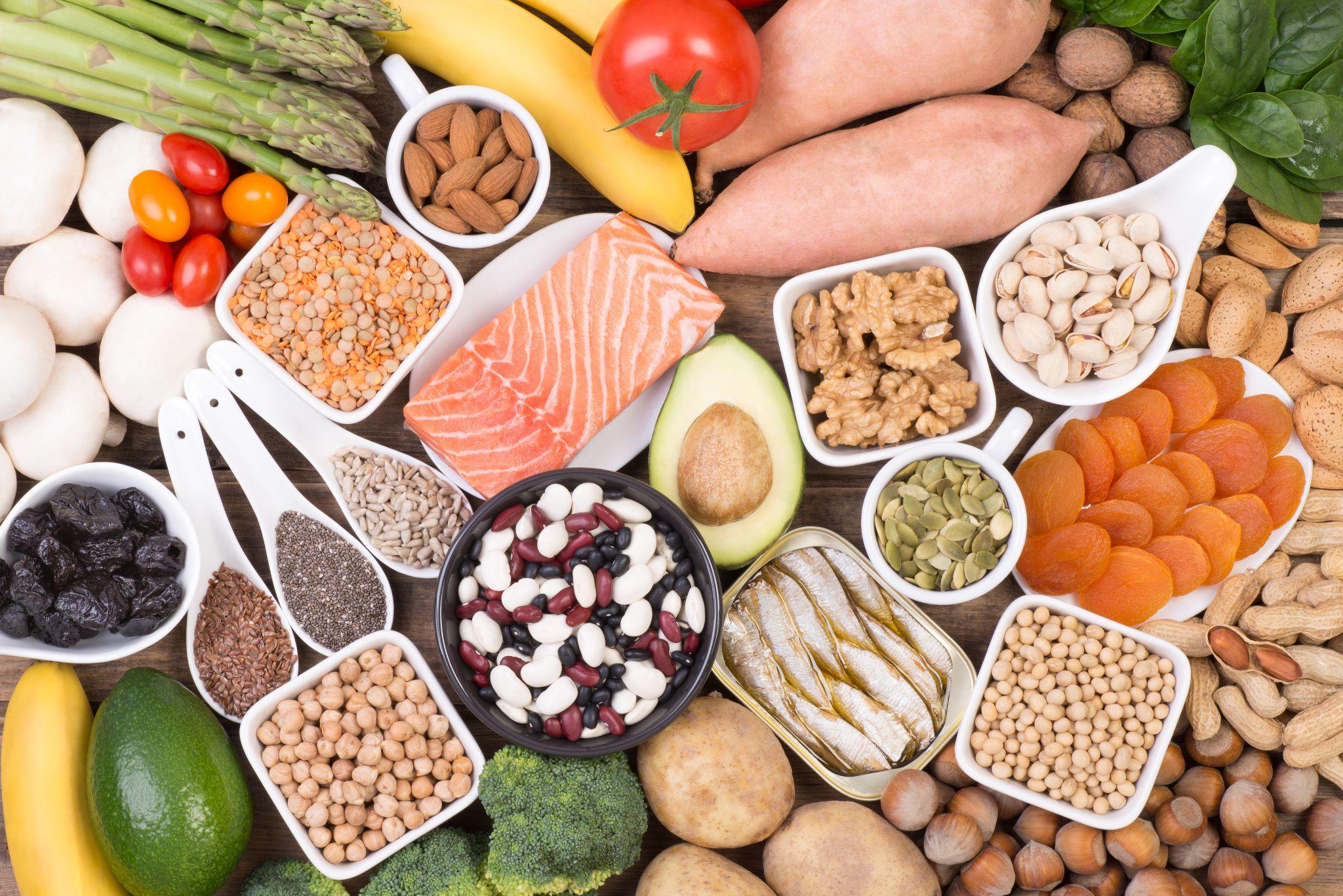
A wide variety of foods contain potassium. Rich sources include:
- Fruits: Bananas, oranges, apricots, and avocados
- Vegetables: Potatoes, spinach, tomatoes, and sweet potatoes
- Proteins: Red meat, chicken, and fish
- Legumes: Lentils, soybeans, and kidney beans
- Dairy: Milk, yogurt, and cheese
Functions and Benefits of Potassium
Potassium plays a critical role in a range of functions, including:
- Heart and Muscle Function: It helps maintain regular heartbeats and muscle contractions.
- Fluid Balance: Potassium helps regulate fluid balance in the body, contributing to hydration and maintaining blood volume.
- Nerve Signal Transmission: Potassium is crucial for nerve signal transmission, allowing cells to communicate.
- Blood Pressure: It helps lower blood pressure by balancing out the negative effects of sodium.
- Bone Health: Studies suggest that a diet high in potassium can help maintain bone mineral density.
Deficiency Symptoms of Potassium
Potassium deficiency, or hypokalemia, can lead to several health issues. Symptoms may include:
- Fatigue and muscle weakness
- Heart palpitations
- Constipation
- Feeling faint or dizzy
- Numbness and tingling
- Difficulty breathing
Excess Symptoms of Potassium
Too much potassium, or hyperkalemia, can also cause health problems, especially for individuals with kidney issues. Symptoms may include:
- Irregular heart rhythms (arrhythmias)
- Slow heart rate
- Nausea or vomiting
- Tingling or numbness
- Breathing difficulties
Recommended Daily Intake of Potassium
The adequate intake of potassium varies by age. Here are the current recommended amounts:
- Infants 0-6 months: 400 mg
- Infants 7-12 months: 860 mg
- Children 1-3 years: 2,000 mg
- Children 4-8 years: 2,300 mg
- Children and teens 9-18 years: 2,500-3,000 mg
- Adults over 19: 3,400 mg for men and 2,600 mg for women
- Pregnant and breastfeeding women: 2,800-2,900 mg and 2,800-5,100 mg respectively
Absorption and Interactions of Potassium
Potassium is absorbed in the small intestine and is regulated by the kidneys. Some factors can affect potassium absorption and utilization, including certain medications, excessive alcohol or caffeine, and conditions like kidney disease and diabetes.
Deficiency Diseases or Conditions Related to Potassium
Severe potassium deficiency can cause hypokalemia, which can result in severe muscle weakness or paralysis, abnormal heart rhythms, and a decrease in reflex response.
Toxicity or Overdose Effects of Potassium
Excessive potassium can lead to hyperkalemia, which can cause heart arrhythmia and, in severe cases, cardiac arrest. It’s rare for hyperkalemia to occur from dietary sources alone, and it’s more commonly associated with kidney problems or excessive use of potassium supplements.
Special Considerations for Potassium
People with kidney disorders need to be cautious with their potassium intake as their kidneys may not be able to remove excess potassium from the blood efficiently. Additionally, certain medications, such as some types of diuretics and blood pressure drugs, can affect potassium levels in the body.
Additional Facts about Potassium
- Potassium was first isolated in 1807 by English chemist Sir Humphry Davy.
- Potassium is so reactive that it never occurs free in nature. It always bonds with other elements to form compounds.
- Too little or too much potassium can lead to irregular heart rhythms. The delicate balance of this mineral is vital for heart health.
- Potassium, in the form of potash, is used in fertilizers to improve the yield of crops.
- A higher intake of dietary potassium appears to be associated with lower rates of stroke and could also reduce the risk of heart disease.
Source Links
- National Institutes of Health (NIH) – Office of Dietary Supplements: Potassium
- World Health Organization (WHO) – Guideline: Potassium Intake for Adults and Children
- Centers for Disease Control and Prevention (CDC) – Potassium
- Harvard T.H. Chan School of Public Health – The Nutrition Source: Potassium