
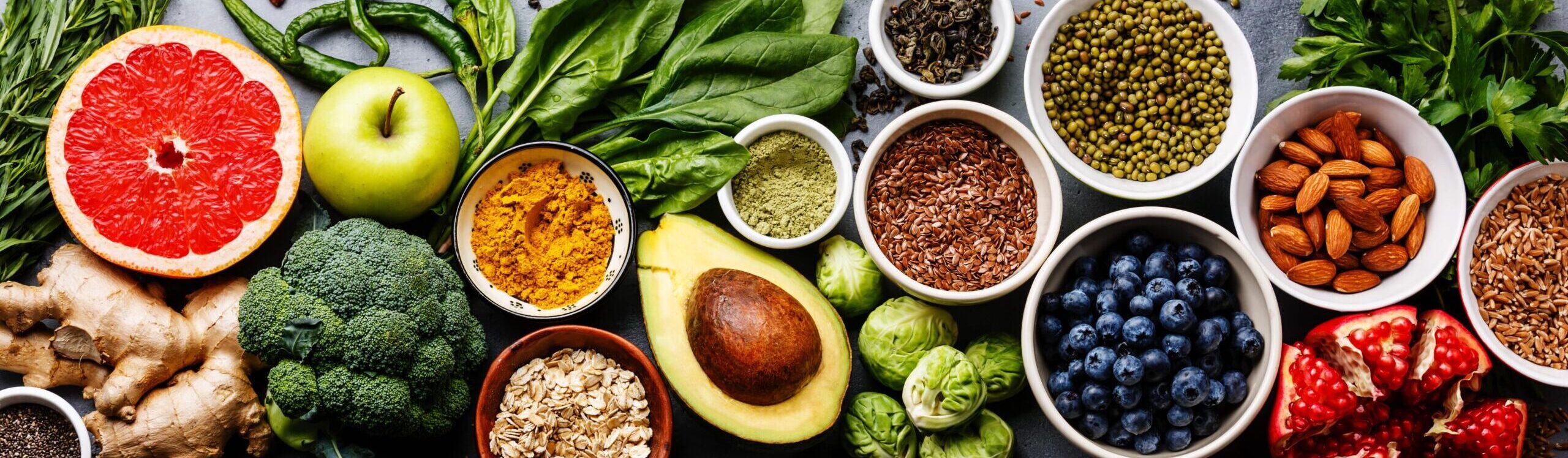
Imagine a world where your body’s health can be decoded through the astounding wisdom of nature – this is the universe of organic acids. Nestled within the very essence of your metabolism, these natural acids safeguard your cellular vitality and unlock the doors to optimal wellness. Derived from the humble breakdown of proteins, fats, and carbohydrates, organic acids reveal the secrets of your nutrient landscape and guide your body’s symphony of metabolic processes.
But their influence doesn’t end there. Beyond the confines of your physiological canvas, organic acids stand as sentinels in the realm of food preservation. These remarkable compounds act as natural antimicrobials, their silent vigilance offering a shield against the assaults of spoilage and disease. Embracing organic acids in your dietary choices cultivates a pathway to a sustainable, health-conscious existence that honors the delicate balance of our precious environment.
Key Takeaways
- Organic acids are powerhouse metabolites essential for assessing your body’s functional nutrient needs.
- Natural acids from food play a pivotal role in maintaining gut health and enhancing metabolic efficiency.
- The benefits of organic acids are abundant, ranging from improving cellular energy to offering eco-friendly food preservation methods.
- Incorporating organic acids into your diet can align you with a lifestyle committed to health and environmental sustainability.
- By understanding your body’s organic acid profile, you can take proactive steps towards personalized wellness strategies.
Understanding Organic Acids and Their Importance in Health
Organic acids are more than just a term you might encounter in a biology textbook; they’re a crucial part of your daily health. Let’s explore what they are, how they function in the body, and what sets them apart from their inorganic counterparts.
What are Organic Acids?
Simply put, organic acids are compounds with a carbon backbone, and most include the carboxyl group (-COOH). These are not just chemical curiosities; they’re the silent workers in your body, playing a crucial role in your overall health. Produced during regular metabolic processes, organic acids are the fingerprints of your body’s deepest workings, leaving clues that experts can interpret to assess your nutrient status.

The Role of Organic Acids in Metabolism
Your metabolism is an intricate dance of chemical reactions, and organic acids are key dancers. Whether you’re thinking about **organic acid metabolism** or considering the broader category of **organic acid production**, these compounds are essential. They show up as byproducts of digesting proteins, fats, and carbohydrates. Imagine organic acids as scouts, reporting on how well your body is absorbing nutrients or flagging potential areas where your metabolism might not be as efficient as it could be.
Here’s an interesting fact: some organic acids are like nutritional messengers, indicating deficiencies in vitamins and minerals that are critical to enzyme function. By monitoring levels of specific organic acids, healthcare providers can customize nutrient plans tailored for your body’s unique needs. These personalized strategies can enhance the **organic acid benefits** each individual experiences.
Distinction Between Organic Acids and Inorganic Acids
While organic acids are sourced from within, their inorganic cousins are often from without—think mineral-driven, non-carbon compounds like hydrochloric acid. What’s the key difference that really matters to you, though? Organic acids are deeply integrated into your daily biological processes. They’re part of the cycle that charges your cellular batteries, builds your cells’ structures, and generally keeps your body running smoothly.
The significance of organic acids is particularly evident when considering markers like indolacetic acid, a malabsorption indicator, or mitrochondrial markers like citric and isocitric acids. Such substances reveal the fascinating inner narrative of your body’s health, providing actionable insight.
As we continue to probe the depths of organic acids, it’s vital to understand their integral role in well-being and disease prevention, positioning them as one of the unsung heroes in the saga of human health. Integrating a thorough knowledge of these natural substances into your everyday choices presents a clear pathway to optimizing health and vitality.
Sourcing Organic Acids: Natural vs Synthetic
When you’re exploring the healthy world of organic acid sources, you should know that these beneficial compounds are abundant in nature, specifically in a vast array of fruits, vegetables, and other antioxidant-rich plant materials. The choices you make, whether reaching for an apple abundant in malic acid or a lemon rich in citric acid, are not only delicious, but they pave the way for a healthier lifestyle. However, not all organic acids are derived from natural acids; some, due to their significant role in our everyday life, are synthesized to meet industry demands. Let’s delve into the sources and production practices to understand better why natural organic acid products hold the upper hand.
Natural Sources of Organic Acids
Imagine biting into a ripe, juicy berry. That tartness that sends a delightful shiver down your palate? It’s the goodness of organic acids naturally present in the fruit. Berries, citrus fruits, and fermented foods are treasure troves of these compounds, aiding in everything from food preservation to metabolic regulation. Seemingly mundane foods are, in fact, powerhouses of wellness, stocked with naturally occurring organic acids that support your body’s functions.
Comparing Organic and Conventional Acid Production Practices
The production of organic acids can be as varied as the compounds themselves, ranging from the fermentation of sugars by microorganisms to complex chemical synthesis. The former, used in obtaining natural acids, is a badge of sustainability, often using less energy and producing fewer byproducts. On the flip side, synthetic acid production, while effective in creating a steady supply of organic acid products, doesn’t quite offer the same environmental or healthful allure as its organic counterpart.

When you’re at the crossroads of choosing between natural and synthetic sources of organic acids, consider the following table that lays bare the contrasts between the two.
| Aspect | Natural Organic Acids | Synthetic Organic Acids |
|---|---|---|
| Source | Plant materials, fermentation by microorganisms | Chemical synthesis in laboratories |
| Environmental Impact | Lower carbon footprint, renewable sources | Higher energy consumption, potential for more waste |
| Healthful Benefits | Antioxidants, micronutrients retention | Structurally similar but devoid of micronutrients |
| Sustainability | Sustainable practices, biodegradable byproducts | Less sustainable, possible environmental pollutants |
| Applications | Food preservation, health supplements, natural cleaning agents | Industrial use, large-scale food processing |
It’s evident that while both natural and synthetic acids serve vital roles in our daily lives, natural organic acid products have a clear advantage in terms of supporting a healthier, more sustainable world. Next time you’re faced with a choice, let your informed awareness guide you towards the natural powers of organic acids.
Organic Acids in Gut Health: Metabolites and Microbiome Interactions
When you explore the realm of gut health, you are often met with the intricate dance of metabolism and microbiome interactions. Within this dance, organic acid metabolism plays a leading role, offering insights into your body’s internal ecosystem. A fascinating aspect of gut health are the organic acids produced through metabolic processes that provide a snapshot of your digestive well-being.
A spotlight shines on indicators such as indolacetic acid and phenylacetic acid, reflecting your gut’s narrative. The elevated presence of these metabolites in the body can indicate a disrupted balance, pointing towards possible malabsorption or microbial dysbiosis. It’s crucial to see these organic acids not just as static substances, but as dynamic messengers that inform us about our health status.
Imagine indolacetic acid, a byproduct of tryptophan metabolism; higher levels in your system could signify that you’re not absorbing tryptophan as you should, possibly due to bacterial overgrowth. Similarly, an increase in phenylacetic acid might hint at issues digesting phenylalanine, another essential amino acid. These metabolites capture the essence of the phrase ‘you are what you digest,’ as they narrate the efficiency of your gut’s nutritional uptake and the equilibrium of its inhabitants.

Empowering organic acid supplements enter this narrative as potential heroes. These supplements can provide specific organic acids that may support and promote a healthy gut environment. They could contribute to the balance of a gut ecosystem rocked by modern dietary habits and lifestyle stressors.
It’s critical to consider the clinical associations linked to alterations in organic acid levels. Shifts in these levels may relate to conditions affecting your psychological and cognitive function and even cardiovascular health. Yes, the influence of organic acids in gut-related well-being stretches far, intertwining with aspects of health often considered distant from the gut.
Your role, as the curator of your health, is to acknowledge the importance of these metabolites—knowledge that could lead you down a path of improved dietary choices and a better understanding of your body. It’s all about harnessing the power of organic acids to foster a thriving gut microbiome, ultimately enriching your health and vitality.
- Elevated indolacetic acid may suggest tryptophan malabsorption or bacterial overgrowth.
- An increase in phenylacetic acid could indicate inefficient digestion of phenylalanine.
- Organic acid supplements are emerging as beneficial additions to support gut health.
- Understanding your body’s organic acid profile aids in crafting a personalized health plan.
| Organic Acid | Possible Indication | Potential Impact on Health |
|---|---|---|
| Indolacetic Acid | Tryptophan Malabsorption/Bacterial Overgrowth | Psychological and Cognitive Function, Gut Health Maintenance |
| Phenylacetic Acid | Phenylalanine Digestion Issues | Cardiovascular Health Concerns, Overall Metabolic Balance |
As you journey through your personal health landscape, remember that organic acids offer a guiding light towards understanding and enhancing your gut health. By tuning in to their messages, you can navigate towards a more harmonious state of wellness, where your microbiome and metabolism are in symphony with one another.
Organic Acids for Food Preservation: Safety and Effectiveness
In the quest for safe and natural food preservation, organic acids have emerged as a game changer. Your everyday choices in food storage could be greatly enhanced by understanding their role in maintaining longevity without compromising health. As an alternative to synthetic preservatives, organic acids not only offer a ‘greener’ solution but also bring to the table a host of benefits that align with a healthier lifestyle. Before we delve into comparing organic acids with their chemical counterparts, let’s take a closer look at the mechanisms that make organic acids so effective.
Mechanisms of Antimicrobial Action in Organic Acids
Organic acid uses in food preservation capitalize on their inherent antimicrobial action. These natural compounds are adept at penetrating and disrupting the cellular structures of harmful microbes. By altering the pH within these unwelcome organisms, they hinder their ability to thrive and reproduce, effectively halting food decay and contamination. Organic acids thus serve as vigilant sentinels, keeping pathogenic threats like Escherichia coli and Listeria monocytogenes at bay, ensuring that your food remains fresh and safe to consume.
Organic Acids vs Chemical Preservatives in Food
The narrative of food preservation has long been dominated by the use of chemical preservatives. However, these compounds often come with a host of health concerns and additive burdens. By contrast, organic acids provide a compelling narrative of safety and natural efficacy. Their ability to preserve food stems not from a laboratory concoction but from the beds of nature’s own design. Let’s pit them against their chemical adversaries in the table below and disclose why the scale tips in favor of organic parameters:
| Attribute | Organic Acids | Chemical Preservatives |
|---|---|---|
| Safety Profile | Favorable with fewer health risks | Concerns about long-term health implications |
| Source | Natural, occurring in many fruits and vegetables | Synthetic, produced in industrial settings |
| Environmental Impact | Typically biodegradable with minimal impact | Potential for environmental contamination |
| Efficacy in Food Preservation | High with sustained freshness and taste | Effective but can alter flavor and natural quality |
| Consumer Perception | Increasingly preferred for clean-label products | Increasing scrutiny and demand for alternatives |
These insights into the use of organic acids versus chemical alternatives are enlightening. They herald a newer approach to food storage—a method that puts your health and the planet at the forefront. By selecting products that use organic acids for preservation, you become a part of the movement towards a safer, more sustainable food supply chain.
Benefits of Organic Acids in Your Diet
Exploring the nutritional landscape, you’ll often encounter a lush field of possibilities, with organic acids standing out as nutrient-rich soil that fosters robust health growth. Embarking on a journey filled with these essential compounds can lead to a significant boost not only in nutrient absorption but also in fostering an environment for optimal digestive health.
Enhancing Nutrient Absorption
Beginning with the process of nutrient absorption, organic acids serve as catalysts in your digestive system. They merge seamlessly with your body’s natural enzymes, creating a cooperative force that maximizes the uptake of essential minerals and vitamins from the food you consume. Such a synergistic partnership facilitates the efficient absorption of nutrients, making every meal a more potent source of the fuel your body craves.
Organic Acids and Digestive Health
The sphere of your digestive well-being is enriched by the natural inclusion of organic acids. Capable of amplifying the growth of beneficial gut flora, these acids can shift the digestive balance towards a more harmonious state. It is a gentle push towards enhanced gastrointestinal function and digestive peace – a contribution to your overall health that cannot be understated.

Organic acids not only provide a band of protection against common digestive complaints but also carry with them a promise of greater metabolic efficiency. As you incorporate foods high in these natural compounds into your diet, you might view them as keys unlocking the doors to a fortified digestive fortress.
| Organic Acid | Role in Nutrient Absorption | Impact on Digestive Health |
|---|---|---|
| Citric Acid | Enhances mineral uptake, especially calcium and magnesium | Improves digestive enzyme function and energy production |
| Lactic Acid | Assists in the absorption of iron | Supports healthy gut flora by promoting beneficial bacteria |
| Acetic Acid | Facilitates the efficient absorption of nutrients in the colon | Contributes to the maintenance of an optimal pH balance in the gut |
| Malic Acid | Aids in the absorption of essential trace minerals | Helps soothe digestive discomfort and promote gut integrity |
In conclusion, embracing the wonders of organic acids within your dietary regimen stands as an open invitation to harness their numerous benefits. As evident guardians of nutrient absorption and pillars of digestive health, they underscore the axiom of taking a proactive stance towards nourishing and safeguarding your body.
Organic Acids in Everyday Products
As we delve deeper into the multifaceted world of organic acids, it’s remarkable to discover their ubiquitous presence in our daily lives. The inherent qualities of organic acid products have been harnessed in diverse industries, with personal care products and cleaning agents emerging as key areas where these natural substances contribute significantly. Their functionality extends beyond mere application, shaping the characteristics and efficacy of the products you use every day.
Organic Acids in Personal Care Products
When you select personal care products, organic acids are quietly at work ensuring product stability and skin compatibility. Known for their gentle nature, organic acid products often serve as pH regulators and microbial growth inhibitors, granting your personal care items like shampoos, conditioners, and moisturizers the ability to maintain their integrity while nurturing your body. A splash of citric acid in a toner, for example, can balance the formula and provide a refreshing astringent effect that leaves your skin feeling revitalized. It’s a testament to the versatile and invaluable role that organic acids play in the realm of personal care.

The Role of Organic Acids in Cleaning Agents
Within your home, organic acids find their strength as eco-friendly and potent cleaning agents. Consider acetic acid, the active component in vinegar, which acts as a formidable opponent against grime and bacteria. With the power to break down stains and combat uninvited microbial guests, organic acid products like these are an essential ally in your quest for a pristine and healthy living space. They offer an effective, greener alternative to harsh chemical-based cleaners, emphasizing the importance of natural solutions in maintaining a clean and safe environment for you and your loved ones.
In essence, organic acid products shine as exemplars of how nature’s intelligence is ingeniously integrated into our daily routines, offering a harmonious blend of efficacy, safety, and sustainability. As you continue to make informed choices, your preference for products containing organic acids undoubtedly aligns with a conscious lifestyle that values health and ecological mindfulness.
Organic Acids in Agricultural Practices
As you delve into the realm of sustainable agriculture, it’s fascinating to see how organic acids are making a remarkable difference. Not only do they offer benefits to soil health, but they also promote robust plant growth. Let’s explore how these naturally occurring compounds are enhancing farming methods, nurturing the soil, and providing plants with the vigor they need to thrive.
Improving Soil Health with Organic Acids
The use of organic acids in agricultural practices has become a cornerstone for improving soil health. By adjusting soil pH to optimal levels, these acids help create a more conducive environment for nutrient absorption. Substances such as humic acid can also chelate nutrients, making them more accessible to plants. This, in turn, can lead to improved soil structure and increased microbial activity, essential components for fertile land.

Organic Acids as Plant Growth Promoters
Beyond bolstering soil health, organic acids have been found to be effective plant growth promoters. They play a pivotal role in plant metabolism, aiding in the assimilation of essential nutrients and enhancing photosynthesis. This results in plants that are not only taller and healthier but also exhibit increased yield and better resistance to environmental stressors.
| Organic Acid | Benefit to Soil Health | Benefit to Plant Growth |
|---|---|---|
| Humic Acid | Improves soil structure and nutrient availability | Stimulates root development |
| Fulvic Acid | Increases soil’s nutrient-holding capacity | Enhances nutrient uptake and assimilation |
| Citric Acid | Modifies soil pH for better nutrient absorption | Promotes iron absorption in plants |
| Acetic Acid | Suppresses soil-borne diseases | Regulates plant growth hormones |
Adopting strategies involving organic acids can significantly lead to sustainable agricultural practices, better soil health, and exceptional plant growth. Such natural interventions not only strive to preserve our ecosystem but also aim to deliver nutritionally rich crops. As you incorporate these practices into your farming, watch as your labor harmonizes with nature’s profound wisdom to yield an abundant harvest.
Identifying and Choosing Quality Organic Acid Supplements
As you navigate the increasingly popular world of health supplements, emphasizing the need for quality organic products is paramount. With a market flooded with options, knowing how to spot high-quality organic acid supplements is essential to ensure you receive the full health benefits they can offer. Factors like sourcing, manufacturing processes, and the ingredient list can be indicative of the product’s quality. Let’s embark on a concise journey to help you make an informed decision when choosing supplements.
When considering which organic acid supplements to integrate into your routine, understanding the source of the ingredients is crucial. Many consumers now prioritize products made with ingredients that are ethically sourced and transparently provided. This information can often be found on the product’s label or the manufacturer’s website. The essence of any high-quality supplement lies in its origin, so look for brands that are open about their sourcing practices.

Equally important is processing. Quality organic products come from facilities that adhere to strict manufacturing guidelines to ensure purity and safety. Look for certifications such as GMP (Good Manufacturing Practices) which signal that the product has been produced under rigorous standards. Inspecting whether the supplement carries a USDA Organic badge or contains non-GMO ingredients can also guide you towards better choices.
A crucial part of selecting effective supplements is understanding what should not be in your supplement. High-quality organic acid supplements typically refrain from using synthetic additives, fillers, and artificial colors. These unnecessary ingredients can dilute the efficacy of the organic acids and potentially cause unwanted side effects.
Selecting the right supplements involves scrutinizing the label for any additional components that may have been included. A trusted supplement should have a short list of easily recognizable ingredients, signaling its purity and focus on delivering organic acids without unnecessary extras.
- Research the source of the organic acids
- Verify manufacturing standards and certifications
- Assess the ingredient list for synthetic additives and fillers
- Choose supplements that demonstrate transparency in labeling
| Quality Indicator | What to Look For | Why It Matters |
|---|---|---|
| Ingredient Source | Transparent sourcing, ethical practices | Ensures the organic integrity of the supplement |
| Manufacturing Certification | GMP, USDA Organic, non-GMO labels | Confirms high production standards and product purity |
| Ingredient List | Short list of recognizable components | Indicates a focus on core benefits without unnecessary substances |
| Label Transparency | Clear information on dosage, usage, additional nutrients | Allows for an informed choice based on personal health needs |
Getting the best out of organic acid supplements is more than a mere purchase; it’s about empowering yourself with knowledge and making choices that align with your health goals. You have the tools at your disposal to choose supplements that are not only effective but are also in harmony with your body and the environment.
Organic Acid Metabolism Disorders: Recognizing the Signs
If you or someone you love experiences unexplained symptoms that challenge everyday wellness, it may be time to consider the possibility of organic acid metabolism disorders. Known to manifest through a variety of signs, timely recognition and understanding of these conditions are crucial for effective management and care.
Common Organic Aciduria Conditions
Organic aciduria forms a complex spectrum of metabolic disorders, each stemming from disruptions in the body’s ability to process certain organic acids. These disorders are often inherited and can lead to an accumulation of organic acids in the body, resulting in a range of symptoms. Let’s uncover the common conditions beneath the umbrella of organic aciduria, emphasizing the importance of early detection and accurate diagnosis for each.
Indicators can be as direct as developmental delays in children or as subtle as gastrointestinal discomforts that evade clear diagnosis. Regardless of the presentation, understanding the range of symptoms associated with disorders like propionic acidemia, methylmalonic acidemia, or isovaleric acidemia can empower you with the knowledge necessary for taking proactive steps toward health and vitality.
Dietary Adjustments for Managing Metabolic Disorders
When it comes to managing organic acid metabolism disorders, dietary adjustments play a pivotal role. It’s about adopting a diet that’s tailored to reduce the metabolic burden on your body. By modifying the intake of certain foods and increasing the presence of others, it’s possible to alleviate symptoms and potentially reduce the accumulation of harmful organic acids.
For instance, in some forms of organic aciduria, a diet low in protein can help manage the condition, as protein restrictions may decrease the accumulation of toxic substances. Conversely, specific nutrient supplementation can address deficiencies that arise due to the body’s inability to properly process particular amino acids or fats.
It’s also essential to recognize the signs that may indicate a need for dietary modifications. Unexplained fatigue, recurring gastrointestinal upsets, or episodes of confusion and irritability might signal metabolic imbalances that warrant a closer look into your diet. With a healthcare provider’s guidance and a diet adjusted for your unique metabolic needs, it’s possible to better manage these intricate disorders.
- Low protein diets may be recommended for certain types of organic aciduria.
- Targeted nutrient supplementation can correct specific metabolic deficiencies.
- Regular monitoring and medical consultations are crucial for personalized dietary planning.
Simple changes to what you eat can be profoundly transformative when managing organic acid metabolism disorders. By learning to identify the signs and making thoughtful dietary adjustments, you lay the groundwork for a life less impacted by the challenges of metabolic disorders. Guiding you along this journey are healthcare professionals specialized in metabolic health, offering expertise to refine your diet further, ensuring optimal nutrition while managing your condition.
Conclusion
Embarking on the journey of integrating organic acids into your lifestyle is more than a health trend—it’s a conscious choice towards self-enhancement. Encountering these biochemical virtuosos in foods like fruits, vegetables, and fermented products, you map a route to wellness that’s backed by the bounties of nature. Whether it’s to boost your nutrient absorption, support your gut health, or extend the longevity of your favorite foods, organic acids are your steadfast allies, waiting to be summoned into your daily regimen for a healthier you.
Integrating Organic Acids into a Healthy Lifestyle
You have the power to harness the natural potency of organic acids; it’s as simple as reaching for that handful of berries or selecting a salad dressing with apple cider vinegar. As you blend these substances into your everyday meals, you embark on a path of improved digestive harmony and vitality. Remember, a healthy lifestyle isn’t a sprint but a marathon—a series of mindful choices made consistently over time. Incorporating organic acids is one such deliberate stride towards nourishing your well-being.
Future Perspectives on Organic Acids and Wellness
Gazing into the horizon, the potential of organic acids interlaces with innovation, hinting at exciting breakthroughs in wellness and medicine. Engrossed in the exploration of these multitasking marvels, scientists and nutritionists are pioneering ways to further refine their use, aiming to unlock their full potential. From new supplement formulations to optimized farming practices, the promise of organic acids dawns bright. The future holds untold narratives of these compounds, accentuating their indispensable role in cultivating a healthy lifestyle for generations to come.