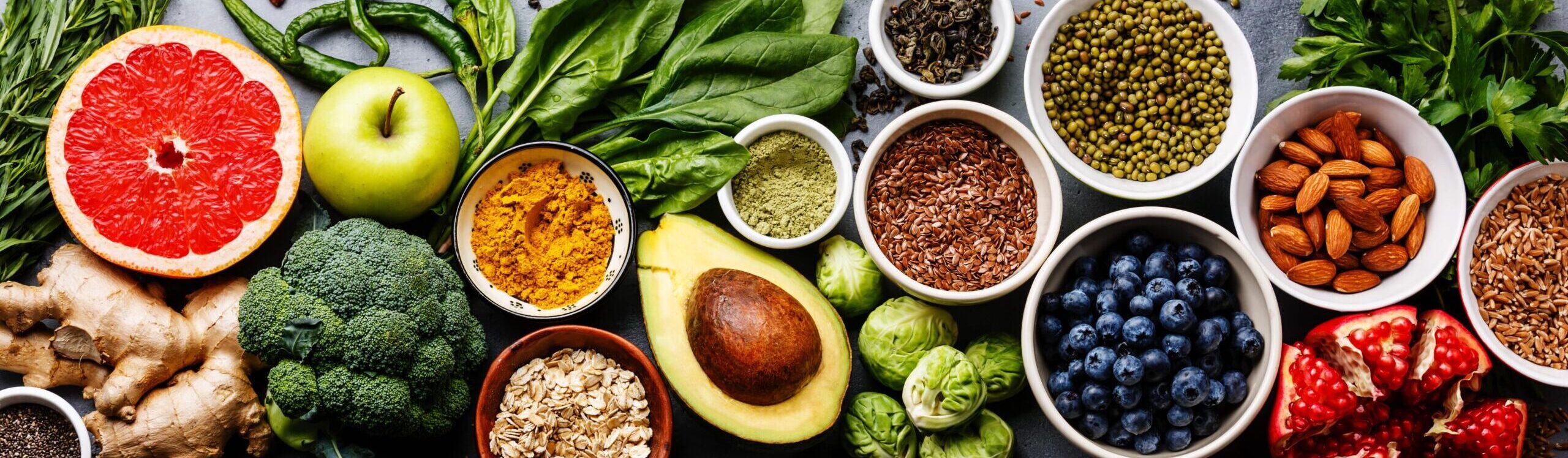
Have you ever considered the health benefits of fiber in your daily regimen? A fiber-rich diet isn’t just about improving digestion—it’s a catalyst for overall well-being. With foods naturally abundant in dietary fiber, like fruits, vegetables, legumes, and whole grains, you’re doing more than warding off constipation; you’re setting the stage for a healthier lifestyle. Let’s embark on a journey through the world of high fiber foods and unlock the potential to maintain a robust and balanced diet with some practical dietary fiber tips.
As outlined by experts like the Mayo Clinic Staff, integrating a mix of soluble and insoluble fiber into your diet is not a mere suggestion—it’s a necessity for maintaining optimal health. Let’s dive into the essentials, ensuring that your meals resonate with vitality, and turn the page on your eating habits with confidence and knowledge.
Key Takeaways
- Discover the variety of high fiber foods available in natural sources like plants.
- Grasp why fiber is your ally in the fight against chronic diseases such as heart disease and diabetes.
- Gain practical dietary fiber tips for seamlessly incorporating more fiber into your diet.
- Understand how a fiber-rich diet can contribute significantly to weight maintenance and digestive health.
- Learn how to balance soluble and insoluble fiber to maximize the health benefits of fiber.
Understanding Fiber and Its Two Forms
When you think about dietary fiber, it’s essential to recognize its two distinct forms: soluble fiber and insoluble fiber, each playing a unique role in maintaining your health. Eating a balanced diet that includes both types of fiber is crucial for reaping the full spectrum of health benefits.
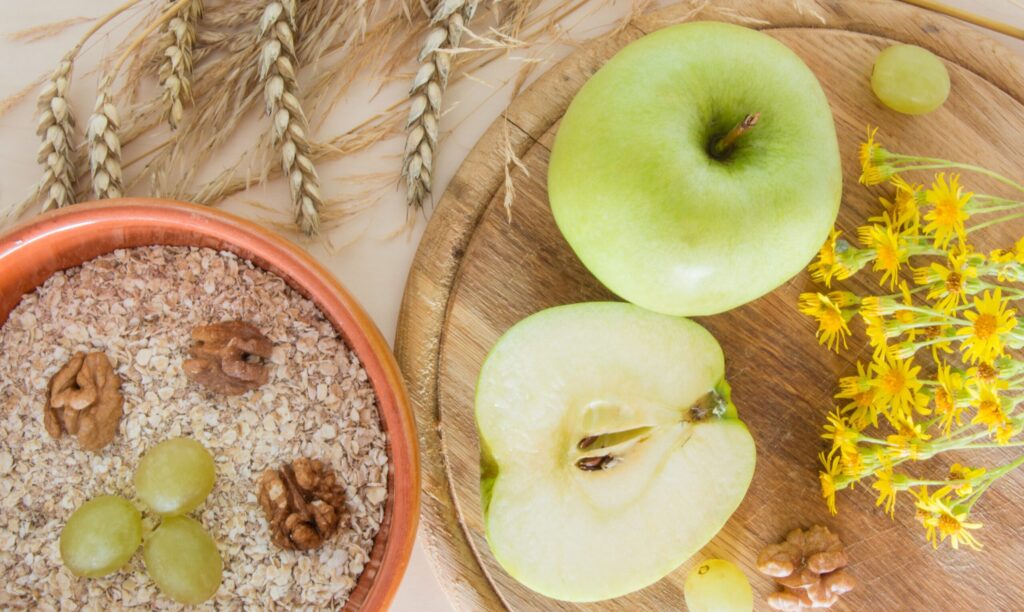
Soluble fiber, often found in foods such as oats, peas, apples, and psyllium, acts as a gel-like material when dissolved in water. This quality of soluble fiber allows it to effectively lower glucose levels and blood cholesterol, contributing to heart health and potentially reducing the risk of chronic disease.
Insoluble fiber, prevalent in whole-wheat flour, nuts, and various vegetables like cauliflower and potatoes, is indigestible and thus assists in facilitating digestive health. It supports regular bowel movements and can help prevent complications such as constipation and irregular stool patterns.
| Sources of Soluble Fiber | Sources of Insoluble Fiber |
|---|---|
| Oats | Whole-wheat flour |
| Peas | Nuts |
| Apples | Green beans |
| Psyllium | Potatoes |
| Citrus fruits | Cauliflower |
| Carrots | Wheat bran |
By incorporating a diverse array of sources of fiber into your daily meals, you not only support your digestive system but also contribute to your body’s holistic wellbeing. Remember, a plate colored with a variety of fruits, vegetables, legumes, and whole grains is not just appealing to the eye—it’s a stronghold of nutritional wealth, tailored to elevate your health.
The Role of Fiber in Digestive Health
Embarking on a fiber-rich journey can significantly amplify the benefits of fiber in maintaining digestive health and solidifying bowel health. Dietary fiber is not merely a single entity; it encompasses an array of nutrients that collectively contribute to the betterment of digestive wellness. These dynamic components hold the power to transform your day-to-day life by preventing constipation and reducing the risks associated with various digestive disorders.
Preventing Constipation and Enhancing Bowel Movements
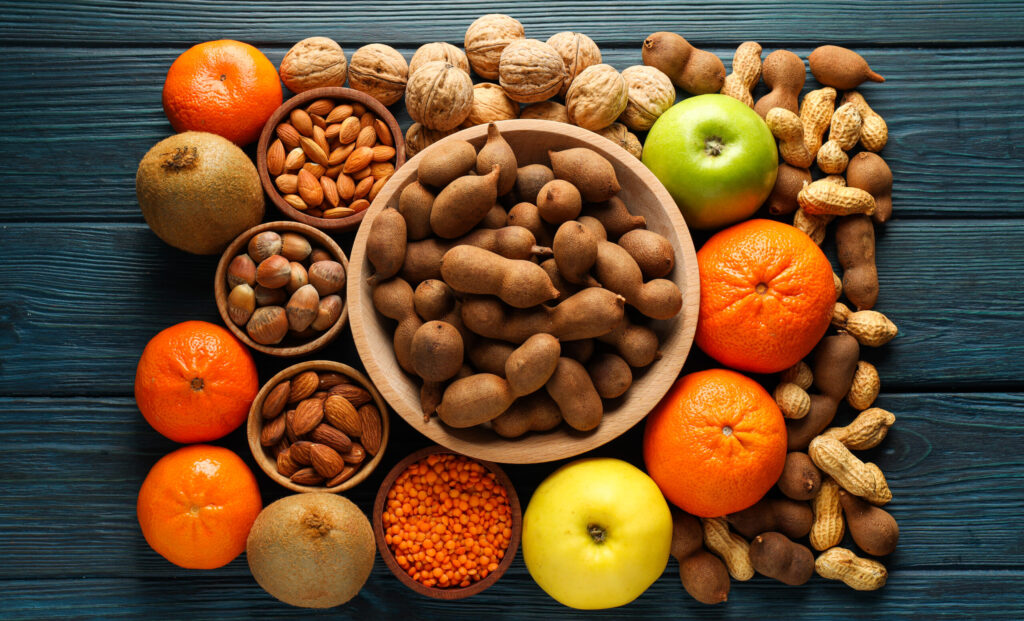
One of the key benefits of fiber lies in its ability to normalise bowel movements. By increasing the weight and size of your stool, fiber makes it less arduous to defecate, effectively sidelining the chances of constipation. A generous intake of fiber ensures that your gastrointestinal passage is smooth and obstruction-free. This leads to enhanced regularity and a substantial alleviation in straining during bowel movements, fortifying your daily comfort and health.
Reducing the Risk of Digestive Disorders
A heightened intake of fiber doesn’t just ease the present; it secures the future of your digestive health as well. High-fiber diets have a notable correlation with a diminished risk of suffering from diseases such as hemorrhoids and diverticular disease. Moreover, scientific revelations highlight the potential role of a high-fiber diet in thwarting the onset of colorectal cancer. The incorporation of adequate fiber into one’s diet establishes a defensive bulwark against the aggressions of various digestive ailments, emboldening the resilience of your digestive tract.
- Contributes to softer and bulkier stools
- Fosters regular bowel movements and constipation prevention
- Protects against the development of hemorrhoids
- Reduces the likelihood of diverticular disease
- Potentially guards against colorectal cancer
Embracing a diet enriched with dietary fiber is an approach that pushes you towards a life devoid of digestive discomforts, where bowel health is no longer a concern but a given assurance. It’s an invitation to revitalize your dietary patterns, with a simple yet profound amendment that carries lasting impacts on your overall wellbeing.
Fiber’s Impact on Cholesterol and Blood Sugar Levels
When it comes to improving your heart health and managing your wellness, the role of dietary fiber, particularly soluble fiber, is indispensable. This vital nutrient has the remarkable ability to lower cholesterol levels, specifically LDL cholesterol, which is often referred to as “bad” cholesterol. By integrating soluble fiber into your diet, you may also experience a reduction in blood pressure and inflammation, two significant factors that contribute to cardiovascular disease.

Soluble fiber isn’t just beneficial for your cholesterol; it’s also critical in helping to control blood sugar levels. By moderating the absorption of sugar, soluble fiber can aid in the management of blood sugar, which is particularly beneficial for individuals with diabetes or those who are at risk of developing the condition. It’s a preventative measure that can have a profound impact on maintaining a balanced blood sugar level over time.
| Fiber-Rich Foods That May Lower Cholesterol | Fiber-Rich Foods That Can Control Blood Sugar |
|---|---|
| Oatmeal and Oat Bran | Beans and Lentils |
| Flaxseed | Whole Grains, like Brown Rice and Barley |
| Apples and Citrus Fruits | Non-Starchy Vegetables, like Broccoli and Leafy Greens |
| Brussels Sprouts and Psyllium Husk | Nuts and Seeds |
By consciously choosing these fiber-laden foods, not only do you fortify your diet against diseases related to the heart and blood sugar discrepancies, but you also take a proactive step towards a healthier lifestyle. It’s clear that a diet incorporating a variety of soluble and insoluble fibers is a pivotal element in managing and preemptively caring for your health.
- Consider adding a bowl of oatmeal to your breakfast routine to kickstart your day with a heart-healthy choice.
- Snack on nuts and keep a stash of fresh fruit on hand to conveniently maintain consistent blood sugar levels.
- Explore recipes that feature beans and whole grains as the main event for both their flavor and their blood sugar regulating properties.
Incorporating these foods into your dietary pattern means you are not just eating for the pleasure of taste, but also for the promise of a healthier tomorrow. With every meal, consider the benefits of fiber as an ally in your quest for wellness.
Dietary Fiber for Weight Management and Satiety
Striking a balance between indulgence and a healthy weight can be achieved through a high-fiber diet. Not only does fiber assist in managing caloric intake, but it also plays a pivotal role in the way we experience fullness and satisfaction after a meal. By incorporating more fiber into your meals, you can enjoy a myriad of dishes while also taking an active step towards weight management.
How Fiber Contributes to a Feeling of Fullness
Fiber’s unique ability to encourage a feeling of fullness is one of its most valuable features when it comes to diet and appetite control. Foods rich in dietary fiber absorb water and expand in your stomach, which slows down digestion. This process not only keeps you feeling satisfied longer, but also helps to curb unnecessary snacking, making it easier to stick to healthy portions.
The Importance of Fiber in Caloric Intake and Energy Density
A high-fiber diet is often characterized by foods that are lower in energy density. This means they provide fewer calories for the same volume of food compared to low-fiber options—an aspect crucial for those aiming to reduce their energy intake without sacrificing meal size. Emphasizing plant-based foods packed with fiber not only allows for a more robust meal with fewer calories but instills a sense of satiation that can prevent overeating and aid in maintaining a healthy weight.
- Fiber-rich fruits and vegetables: Full of nutrients and water, they add volume without the high calories.
- Whole grains: Satisfying and energy-efficient, these are a healthier alternative to refined grains.
- Legumes: Beans, lentils, and peas offer both protein and fiber, supporting fullness and weight control.
With these considerations, it’s clear that a diet abundant in fiber can directly influence how you control caloric intake and manage body weight. It’s not just about the number of calories; it’s about the fulfilling quality of the foods you choose. As you plan your meals, focus on incorporating a variety of fiber-rich foods to enjoy the benefits of a nutritious and satiating diet.
Incorporating High Fiber Foods into Your Diet
Enhancing your diet with a bounty of fiber can make a significant difference in your health. By choosing foods rich in dietary fiber, you support your digestive system and may aid in warding off various health concerns. Consider these standout sources of fiber that can be effortlessly weaved into your meals and snacks, providing you with both nutrition and variety.
Choosing Whole-Grain Products
Whole-grain foods should be a staple in your pantry, offering more than just their tantalizing textures and nutty flavors—they are foundations of fiber. Aim to have whole grains make up at least half of your grain consumption. Whether it’s farro in your soup or quinoa in your salad, whole grains are versatile and always a smart choice.
| Whole-Grain Foods | Fiber Content (per cup cooked) |
|---|---|
| Quinoa | 5 grams |
| Brown Rice | 3.5 grams |
| Whole-Wheat Pasta | 6.3 grams |
| Barley | 5.9 grams |
| Bulgur Wheat | 8.2 grams |
Varied Fruits and Vegetables: A Fiber Treasure Trove
Embrace an array of vibrant fruits and vegetables every day, as these foods are the cornerstone of a fiber-rich diet. Not only do they offer a spectrum of essential nutrients, but incorporating a diverse selection can keep mealtime exciting and delicious. From crunchy carrots to succulent strawberries, fruits and vegetables are inherent health champions.
- Apples (One medium apple with skin): 4.4 grams of fiber
- Raspberries (One cup): 8 grams of fiber
- Avocado (Half an avocado): 5 grams of fiber
- Broccoli (One cup cooked): 5.1 grams of fiber
And let’s not forget the contributions of fiber-rich legumes, nuts, and seeds to your diet. From chickpeas in your hummus to almonds in your trail mix, these foods are fiber powerhouses and can be a great snack or a hearty addition to meals.
- Add legumes like lentils or chickpeas to stews for a comforting, fibrous boost.
- Include a handful of nuts and seeds in your morning oatmeal or yogurt for a satisfying crunch.
- Snack on roasted edamame or sprinkle pumpkin seeds on your salad for a nutritious punch.
Remember, integrating a range of whole-grain foods, fruits and vegetables, legumes, nuts, and seeds into your diet isn’t just beneficial for your fiber intake—it’s a symphony of wholesome nutrition that can reverberate through every aspect of your health.
How Much Fiber Do You Really Need?
Understanding daily fiber recommendations is key to achieving an adequate fiber intake for your body’s health needs. When aiming to optimize your diet, it’s essential to be aware of the amount of fiber advised for consumption based on age and gender.
The Institute of Medicine delineates precise fiber targets that are pivotal for supporting your health. These dietary benchmarks are not just arbitrary numbers—they are critical guidelines meant to harness the benefits of a high-fiber diet. For men 50 years of age or younger, 40 grams of fiber daily are considered optimal for maintaining a vigorous system. Women under 50 should aim for 30 grams to meet their nutritional needs.
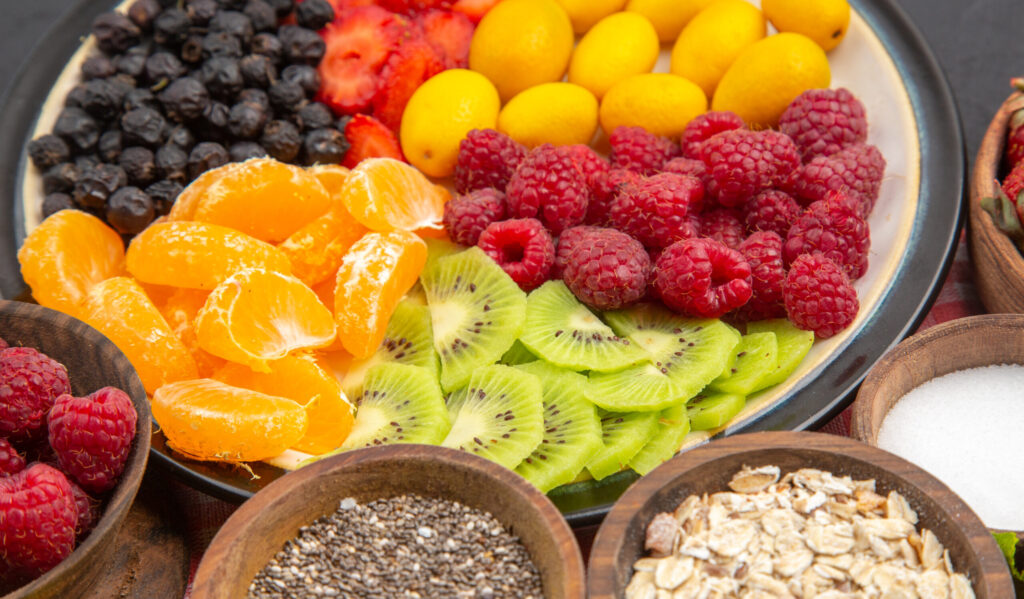
Achieving these daily targets may seem daunting at first. However, incorporating a diverse array of whole foods into your diet can make meeting these goals not only feasible but also delicious. Let’s look at how your fiber needs scale with calorie intake, and how you can fulfill these requirements through mindful eating choices.
| Recommended Daily Fiber Intake | Men 50 and Under | Women 50 and Under | Men 70 and Over | Women 70 and Over |
|---|---|---|---|---|
| Fiber (grams) | 40 | 30 | 40 | 30 |
Attaining these daily fiber recommendations is integral to unlocking a myriad of health perks, from improved digestion to reduced risk of chronic disease. Embrace the power of plants in your diet, from leafy greens to whole grains, and discover how easy it is to achieve an adequate fiber intake with flavorsome and nourishing choices.
- Start your day with a bowl of oatmeal or a smoothie with fruits, nuts, and seeds – all fiber-boosting champions.
- Through the day, choose snacks that work for you, such as raw vegetables with hummus or a handful of almonds.
- Make mealtime an opportunity to include fiber-rich foods like lentils, quinoa, or stir-fried veggies.
With knowledge and intention, you can effortlessly incorporate the right amount of fiber into your daily meals, leading to a sustaining and health-empowering lifestyle.
The Surprising Longevity Benefits of Fiber
Perhaps one of the most compelling reasons to incorporate more fiber into your diet is its potential impact on your lifespan. Research has consistently shown that a diet high in fiber, particularly from whole grains, is associated with a noticeable decrease in the risk of many chronic diseases. This not only suggests a stronger daily health profile but also indicates a pathway to achieving greater longevity. Engage with the facts that not only promise a vigorous life but one that could extend well beyond expected benchmarks.

Link Between Fiber Intake and Reduced Disease Risk
In the intricate web of nutritional wellness, dietary fiber emerges as a robust thread linked to the prevention of life-threatening diseases. A diet rich in fiber is shown to play a notable role in cancer prevention, specifically in reducing the risk of colorectal cancer. Additionally, a fiber-dense diet correlates strongly with lowered risks of cardiovascular disease, serving as a form of natural deterrence against one of the most prevalent causes of global mortality.
Fiber’s Role in Overall Long-Term Health
Beyond direct disease intervention, fiber lays the foundation for holistic, long-term health. The benefits of predisposing your body to an anti-inflammatory and lower-cholesterol state through high-fiber foods can translate into remarkably reduced mortality rates. These effects encompass a broad spectrum of longevity benefits, making a compelling case for fiber’s preventive qualities. High fiber intake stands as a pillar of an age-defying diet, suggesting that fiber doesn’t just help you live better—it helps you live longer. Take charge of your well-being, and consider the lasting legacy that a high-fiber diet can contribute to your health story.
Fiber Supplements vs. Whole Foods: What’s Best for You?
When considering your dietary fiber needs, you’re likely to encounter a choice between whole foods and fiber supplements. Whole foods, such as fruits, vegetables, grains, and legumes, are naturally rich in fiber and contain a variety of other nutrients that supplements cannot replicate. For many, whole foods provide the optimal way to meet daily fiber requirements.

However, there may be circumstances where getting enough fiber through diet alone is challenging. In these cases, supplements like Metamucil, Citrucel, and FiberCon can be viable options. These products are designed to help fill the gaps in fiber intake and can be especially useful for individuals with specific health conditions or dietary restrictions.
Another consideration is fortified foods, which often contain added fibers such as inulin or chicory root. These ingredients are used to boost the fiber content in a variety of products from cereals to snack bars. While convenient, not everyone’s digestive system agrees with these additives, and some may experience discomfort as a result.
- Fiber from whole foods comes with additional health benefits like vitamins, minerals, and antioxidants.
- Fiber supplements are a useful alternative for those who struggle to meet their fiber needs through diet alone.
- Fortified foods can offer added fiber, but may not suit everyone’s digestive health.
So, what’s best for you? If you can, opt for a diet rich in whole foods to ensure you’re getting a diverse range of fibers and other important nutrients. But if you find yourself falling short, fiber supplements are a backup to consider. Always consult with a healthcare provider before making changes to your dietary regimen, particularly when introducing supplements.
Ultimately, the key is to listen to your body and choose a fiber source that aligns with your health needs and lifestyle preferences. Whether through whole foods or supplementation, achieving the right fiber balance is a cornerstone of good nutrition.
Conclusion
Embracing a fiber-rich diet is a testament to your commitment to nurturing your health. The myriad health benefits of fiber are undeniable, from promoting robust digestive health to contributing to weight management. A plate abundant in fruits, vegetables, grains, and legumes is not only a feast for the senses but a bulwark against diseases, ensuring your body is fortified and vibrant.
While natural sources are ideal for incorporating fiber into your meals, fiber supplements like Metamucil or Citrucel can present a practical solution for those grappling with dietary restrictions or specific health conditions. However, prioritize obtaining fiber from whole foods to reap the full array of nutritional benefits they inherently offer. Your pathway to health is paved with every fiber-filled bite, contributing to controlled cholesterol and blood sugar levels that compose the symphony of longevity.
By absorbing these dietary fiber tips and integrating them into your daily routine, you create a sustainable, health-forward lifestyle that echoes through every facet of your well-being. Whether you’re sprinkling chia seeds into your smoothie or opting for whole-grain bread, your choices have a profound impact. A varied, fiber-dense diet is not just about maintaining wellness; it’s about enhancing the quality and potential length of your life.