

Introduction to Cysteine
Cysteine is a semi-essential amino acid that plays a significant role in human health. It can be synthesized by the body under normal conditions but may need to be obtained through the diet under certain health conditions or dietary restrictions. Cysteine is critical for protein synthesis, the production of the antioxidant glutathione, and plays a role in various metabolic processes and cellular functions.
Food Sources of Cysteine
Cysteine can be found in a variety of dietary sources, including:
- High-protein Animal Products: Such as chicken, turkey, pork, and eggs.
- Dairy Products: Including milk, yogurt, and cheese.
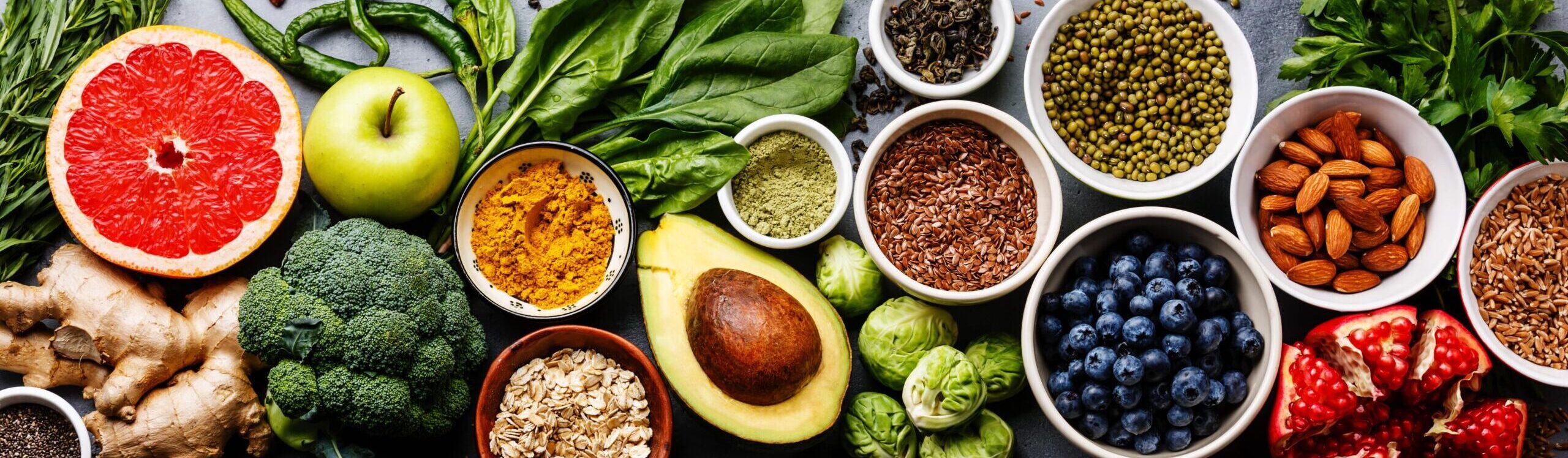
- Plant-Based Sources: Notably in soy products, wheat germ, and certain nuts and seeds.
Functions and Benefits of Cysteine
Cysteine has several important functions and benefits:
- Antioxidant Production: It is a crucial component of glutathione, a major antioxidant that protects cells from oxidative stress.
- Detoxification: Supports the liver in detoxifying harmful substances.
- Protein Structure: Contributes to the structural stability of proteins by forming disulfide bonds.
- Health Promotion: May enhance immune function and promote metabolic health.
Deficiency Symptoms of Cysteine
While outright deficiency is rare due to its ability to be synthesized by the body, inadequate levels can occur due to malnutrition or metabolic disorders, leading to:
- Slowed growth in children.
- Loss of muscle mass.
- Decreased immune response.
- Poor antioxidant defense, potentially leading to increased oxidative damage.
Excess Symptoms of Cysteine
Excessive intake of cysteine, especially from supplements, can lead to:
- Formation of cysteine stones in the kidneys.
- Increased risk of oxidative stress if not balanced with adequate antioxidants.
- Possible gastrointestinal discomfort and allergic reactions.
Recommended Daily Intake of Cysteine
As cysteine can be synthesized by the body, there is no specific recommended daily intake. However, it is included in the dietary recommendations for total protein intake, ensuring adequate sulfur amino acids for most people.
Absorption and Interactions of Cysteine
- Absorption: Efficiently absorbed in the intestine, particularly from high-protein foods.
- Interactions: Cysteine’s metabolism and utilization can be influenced by the levels of methionine, vitamin B6, and folate in the body.
Deficiency Diseases or Conditions Related to Cysteine
- Glutathione Deficiency: Low levels of cysteine can impair the body’s ability to produce glutathione, affecting overall antioxidant capacity and liver function.
- Protein Malnutrition: Insufficient protein intake can lead to a secondary deficiency of cysteine, affecting overall health and recovery from illness.
Toxicity or Overdose Effects of Cysteine
High levels of cysteine can contribute to the risk of:
- Kidney stones, due to the accumulation of cysteine in the kidneys.
- Oxidative stress, if antioxidant intake is not sufficient to counterbalance increased cysteine levels.
Special Considerations for Cysteine
- Supplementation Caution: Given the potential risks associated with high intake, supplementation should be undertaken with care and preferably under medical guidance.
- Dietary Restrictions: Individuals on low-protein diets or certain metabolic conditions may require careful management of cysteine intake.
Additional Facts about Cysteine
First identified in 1810, cysteine’s role as a building block of proteins and a key element in antioxidant defense highlights its importance to health. It is involved in numerous biochemical processes, making it essential despite the body’s ability to synthesize it.
Source links
- National Institutes of Health (NIH) – Office of Dietary Supplements: Amino Acids
- Mayo Clinic – Cysteine supplements
- Healthline – Cysteine: Benefits, Side Effects, Dosage, and Interactions
- PubChem – Cysteine