

Introduction to Copper
Copper is a vital trace mineral that plays a critical role in the body’s overall health. Copper is an integral part of several enzymes, known as cuproenzymes, contributing to various physiological functions, including iron metabolism, energy production, neurotransmission, and connective tissue synthesis. The human body cannot synthesize copper, so it must be obtained through dietary sources or supplements.
Food Sources of Copper
Copper is found in a wide variety of foods, and typically, a balanced diet will provide adequate amounts. Some excellent sources of copper include:
- Organ meats (such as liver)
- Shellfish (such as oysters)
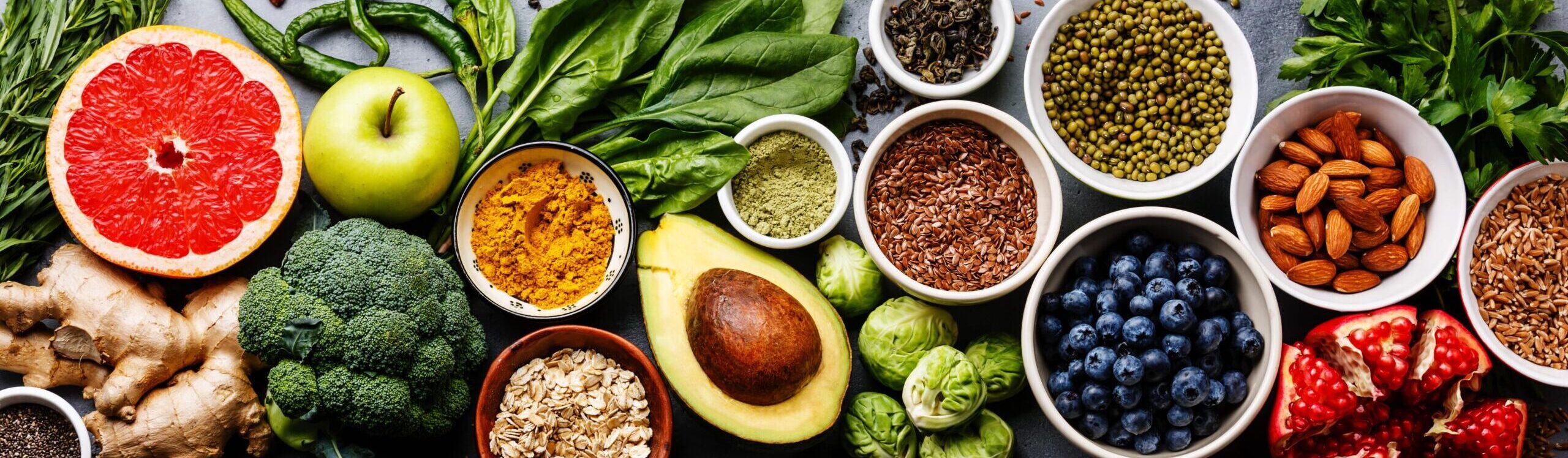
- Nuts and seeds (especially almonds and sunflower seeds)
- Legumes (like lentils and chickpeas)
- Dark chocolate
- Whole grains
- Certain fruits and vegetables (such as avocados, bananas, and potatoes)
- Mushrooms
Functions and Benefits of Copper
Copper performs various functions within the body and is vital for overall health. Here are some specific benefits:
- Energy Production: Copper helps in the production of adenosine triphosphate (ATP), the body’s primary source of energy.
- Connective Tissue Synthesis: Copper is involved in the formation of collagen and elastin, essential for the structure and elasticity of bones and skin.
- Iron Metabolism: Copper aids in the absorption and utilization of iron, helping prevent conditions like anemia.
- Immune Function: Copper supports the immune system and promotes wound healing.
- Antioxidant Activity: Copper acts as an antioxidant, reducing damage from free radicals.
Deficiency Symptoms of Copper
While copper deficiency is relatively rare, it can lead to various health issues. Some common symptoms of copper deficiency include:
- Anemia
- Weakened immune system
- Bone abnormalities
- Decreased skin pigmentation
- Fatigue and weakness
- Altered lipid metabolism
Excess Symptoms of Copper
Excessive intake of copper, especially from supplements or contaminated water, can lead to toxicity. Symptoms of copper excess may include:
- Nausea and vomiting
- Stomach pain
- Diarrhea
- Headache
- Dizziness
- Heart palpitations
Chronic copper toxicity can lead to liver damage and neurological problems.
Recommended Daily Intake of Copper
The recommended daily intake of copper varies depending on age, gender, and life stage. The following are the recommended daily intake of copper for different groups:
- Infants (0-6 months): 200 micrograms (mcg)
- Infants (7-12 months): 220 mcg
- Children (1-3 years): 340 mcg
- Children (4-8 years): 440 mcg
- Children (9-13 years): 700 mcg
- Adolescents (14-18 years): 890 mcg
- Adults (19 years and older): 900 mcg
- Pregnant women: 1,000 mcg
- Breastfeeding women: 1,300 mcg
Absorption and Interactions of Copper
Copper is absorbed in the stomach and the first part of the small intestine. Its absorption can be inhibited by excessive intake of zinc, iron, or vitamin C. Once absorbed, copper is transported to the liver, where it is distributed to other tissues.
Deficiency Diseases or Conditions Related to Copper
Severe copper deficiency can lead to anemia, neutropenia (low neutrophil count, a type of white blood cell), bone abnormalities, impaired immune function, and potentially, cardiovascular disease and impaired neurologic function.
Toxicity or Overdose Effects of Copper
Acute copper toxicity can cause gastrointestinal distress, liver damage, and kidney disease. Chronic excessive intake can lead to liver damage, neurological problems, and may increase the risk of Alzheimer’s disease.
Special Considerations for Copper
Certain populations may have an increased risk of copper deficiency, including people with celiac disease, those who have undergone bariatric surgery, and those with cystic fibrosis.
Additional Facts about Copper
- The human body contains about 50-120 mg of copper, most of which is stored in the liver.
- Copper can act both as a pro-oxidant and an antioxidant.
- Copper is critical for the function of several proteins and enzymes, including those involved in energy production, iron metabolism, connective tissue synthesis, and the regulation of neurotransmitters.
- People can be genetically predisposed to accumulate excess copper, a condition known as Wilson’s disease.
Sources:
- National Institutes of Health (NIH) – Office of Dietary Supplements: Copper
- World Health Organization (WHO) – Copper in Drinking-water
- Mayo Clinic – Copper supplements
- Harvard T.H. Chan School of Public Health – The Nutrition Source: Copper