

Embarking on a quest for improved muscle health and body performance? Look no further than the power of amino acids. These remarkable compounds are not just the building blocks for protein synthesis; they are instrumental in supporting recovery and enhancing your overall physique. Whether you’re an athlete pushing for peak performance or simply seeking to maintain a healthy, active lifestyle, incorporating amino acids into your regimen is a game-changer for fostering robust muscle health.
Key Takeaways
- Amino acids are essential for muscle health, aiding in the construction and repair of muscle tissues.
- They serve as a key component in protein synthesis, ensuring that muscles recover and strengthen post-exercise.
- Fast absorption of amino acids into the body translates to more efficient support for muscle growth and recovery.
- Supporting body performance, amino acids can help improve workout outcomes and energy levels.
- A balanced intake of amino acids is vital for maintaining a healthy immune system, contributing to overall well-being.
Understanding Amino Acids and Muscle Synthesis
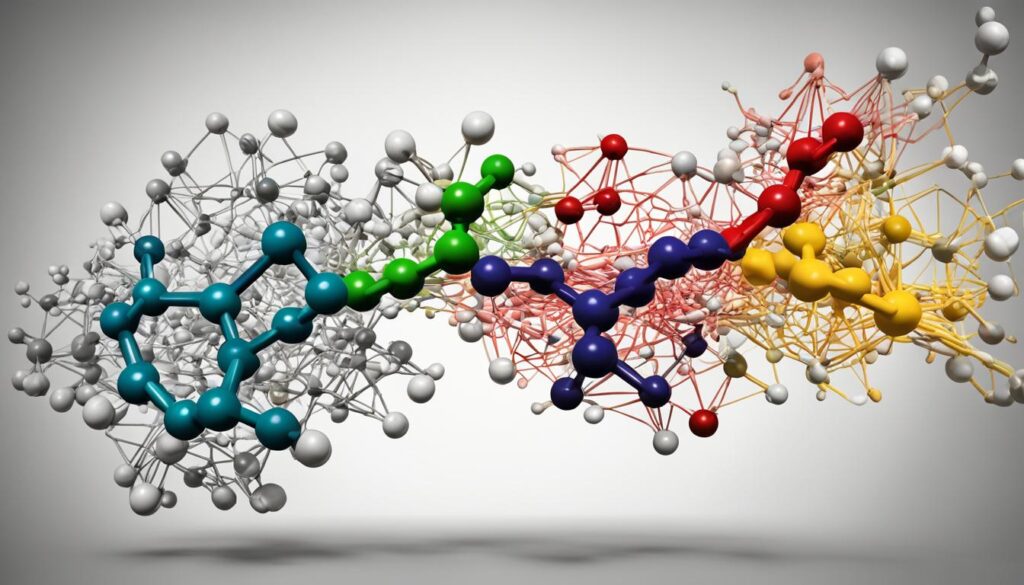
Peering into the microscopic world of our bodies, we encounter amino acids—the quintessential elements indispensable for muscle synthesis and overall vitality. The amino acid structure, intricate and varied, provides the essential templates from which our body constructs the proteins necessary for muscle health and collagen formation.
What are Amino Acids?
You might wonder, what exactly are these microscopic marvels? Amino acids are organic compounds composed of nitrogen, carbon, hydrogen, oxygen, and sometimes sulfur. They are renowned for their role as the building blocks of proteins, each with a distinct side chain, contributing to the protein’s 3-dimensional shape and function. In the realm of health and fitness, these compounds are often spotlighted for their contribution to protein synthesis—a process vital for tissue repair and growth.
Role of Amino Acids in Muscle Health
Moving beyond their structural duties, amino acids are powerhouses in the metabolic process of muscle synthesis. Through a sequence of intricate bodily processes, they guide and support the assembly of muscle fibers, enabling the body to repair itself post-workout. The rapid assimilation of amino acids into your system is crucial after exercise, as it kickstarts the process of protein synthesis, paving the way for increased muscle mass and strength. For those seeking rejuvenation, amino acids lay the groundwork for essential collagen formation, thereby supporting not just muscular, but also skin, bone, and joint health.
As you continue your journey in the vast landscape of health and fitness, understanding the pivotal role of amino acids in muscle synthesis will empower you to make enlightened choices for your dietary and supplementation needs, leading to an optimally functioning body that’s as robust as it is resilient.
The Importance of Essential Amino Acids
Essential amino acids are the cornerstone of muscle building and immune support. They are vital for those aiming to sculpt a resilient body and maintain optimal health. As pivotal ingredients in our dietary protein, essential amino acids must be obtained through diet or supplements since our body cannot produce them.
What Makes an Amino Acid Essential?
Your body thrives on amino acids, the building blocks for proteins, which it uses for cell growth, repair, and other vital functions. Essential amino acids, specifically, play a key role in these processes. Unlike non-essential amino acids, which can be synthesized by the body, essential amino acids cannot be produced endogenously. Hence, you need to ensure their presence in your diet for proper bodily functions.
Ideal Sources for Essential Amino Acids
Amino acid sources range widely, but superior options include animal products like meat, fish, eggs, and dairy. These sources are rich in the nine essential amino acids that your body demands for combating muscle loss and promoting muscle synthesis. For those adhering to plant-based diets, combining various plant sources can help fulfill the essential amino acid profile necessary for health and performance.
| Essential Amino Acid | Animal Sources | Plant-Based Combinations |
|---|---|---|
| Leucine | Chicken, beef, pork | Beans and rice |
| Isoleucine | Dairy, eggs, fish | Nuts and seeds, legumes |
| Valine | Meat, dairy, eggs | Soy products, whole grains |
| Lysine | Fish, poultry, beef | Tofu, tempeh, lentils |
| Threonine | Lean meats, cottage cheese | Leafy greens, hemp seeds |
| Methionine | Fish, eggs, turkey | Sunflower seeds, whole grains |
| Phenylalanine | Dairy products, beef, poultry | Soy products, nuts, seeds |
| Tryptophan | Dairy, turkey, chicken | Oats, bananas, spinach |
| Hisitidine | Beef, lamb, pork | Rice, wheat, rye |
Integrating these essential amino acids into your diet is not only conducive to muscle building, but it also provides indispensable support for your immune system. By fine-tuning your intake of these vital nutrients, you set the stage for a healthier and more vibrant life.
Combating Sarcopenia with Amino Acids
As you age, the battle against sarcopenia—the gradual loss of muscle mass—becomes increasingly significant. Understanding the role of amino acids, particularly branched-chain amino acids (BCAAs), can be crucial in the fight to maintain your strength and vitality. The amino acid benefits for individuals experiencing sarcopenia are well-documented, showing that a strategic use of these nutrients can serve as a powerful countermeasure against muscle deterioration.

Research has highlighted a compelling link between the ingestion of essential amino acids and the preservation of muscle health in older adults. These amino acids are pillars of protein synthesis—without them, the body cannot effectively repair or build muscle tissue. By ensuring a consistent intake of essential amino acids, you provide your body with the necessary components for muscle maintenance and growth. Let’s delve into how BCAAs complement this process.
BCAAs, including valine, leucine, and isoleucine, are particularly enriched within muscle cells and offer substantial benefits for those at risk of sarcopenia. These amino acids not only stimulate muscle protein synthesis but also slow down muscle breakdown, thereby creating a favorable balance for maintaining or increasing muscle mass. Here’s a closer look at how you can leverage these compounds:
- Increase protein intake with a focus on foods rich in BCAAs to promote muscle growth and repair.
- Combine strength training with BCAA supplementation to potentiate muscle synthesis and combat the effects of sarcopenia.
- Monitor your dietary patterns to ensure a balanced distribution of essential amino acids throughout the day.
If you’re concerned about maintaining your muscle mass as you grow older, you can take solace in the fact that these amino acid powerhouses offer significant shield against the currents of time. By incorporating essential amino acids into your diet—whether through whole foods or a high-quality supplement you are taking a proactive stance against sarcopenia. Pair this nutritional approach with regular exercise, and you’ll be well on your way to safeguarding your muscular health and independence into the golden years.
Remember, combating sarcopenia isn’t a one-off battle—it’s a consistent effort that involves making informed choices about your diet and lifestyle. Embrace the power of amino acids and witness your muscular fortitude endure.
Amino Acids
In the pursuit of enhancing athletic performance and muscle mass, the role of amino acids, particularly Branch-Chain Amino Acids (BCAAs), is undeniably crucial. Whether you’re an athlete looking to optimize your training or someone focused on fitness, understanding the impact of BCAAs on muscle protein synthesis is key to achieving your goals.
Branch-Chain Amino Acids (BCAAs) for Athletic Performance
Found in high concentrations within muscle tissue, BCAAs—valine, leucine, and isoleucine—are essential components in maintaining and building muscle mass. They are prized for their ability to enhance energy production during workouts, reduce muscle soreness, and cut down recovery time post-exercise.
- Valine: Helps stimulate muscle regeneration and plays a role in energy production.
- Leucine: Critically involved in muscle protein synthesis and growth, leucine also aids in preventing muscle protein breakdown.
- Isoleucine: Contributes to energy supply and assists in the repair and healing of muscle tissues.
For athletes, an increased intake of these amino acids translates to better performance and endurance, allowing for more intense and effective training sessions.
Effects of Leucine on Muscle Protein Synthesis
Among the BCAAs, leucine stands out for its potent role in amino acid metabolism and the ability to significantly boost muscle protein synthesis. Integral to the body’s muscle-building processes, leucine triggers pathways that initiate the synthesis of new muscle proteins, a must-have for any athlete aiming to increase muscle mass and strength.
| Amino Acid | Role in Muscle Metabolism | Impact on Athletic Performance |
|---|---|---|
| Leucine | Stimulates muscle protein synthesis | Enhances muscle building and recovery post-exercise |
| Isoleucine | Assists in muscle tissue healing and repair | Supports energy and endurance |
| Valine | Involved in energy production and muscle metabolism | Improves muscle coordination and decrease fatigue |
By making leucine-rich foods a part of your diet, such as dairy, meat, fish, and eggs, or by supplementing with BCAA formulas, you can optimize your muscle protein synthesis for better athletic results. As you push your limits and aim for peak performance, remember that amino acids are your allies in every workout, sprint, and lift.
The Synergy of Exercise and Amino Acid Intake
Delving into the realm of optimal wellness and performance, the interplay between exercise synergy and amino acid intake emerges as a cornerstone for health aficionados and athletes alike. This hand-in-hand approach not only catalyzes muscle strength but also fortifies your immune system, setting the stage for a vibrant and enduring physique. Incorporating a protein-rich diet into your exercise routine can elevate your physical wellbeing to new heights.

Enhancing Muscle Mass and Strength
When you pair regular physical activity with the targeted consumption of essential amino acids, like the leucine-rich formula found in quality supplements, you unleash the potential for enhanced muscle mass and power. To paint a clearer picture, imagine each weight lifted and each sprint taken as a call to arms, prompting your muscles to rebuild and reinforce. Now, with the right amino acid allies in your arsenal, your body’s response is swift and substantial, driving muscle synthesis and fortifying your skeletal strength.
Improving Immune Function Through Amino Acids
But the benefits don’t halt at muscle fortification. Amino acids such as cystine and theanine have been shown to play a crucial role in immune system rejuvenation, particularly for those advancing in years. By regularly infusing your protein-rich diet with these amino acids, either through nutrient-dense foods or dietary supplements, you’re not just investing in muscle integrity; you’re bolstering your body’s defense mechanisms.
Your journey towards a resilient body and an empowered immune system is an ongoing adventure. Begin today, by weaving exercise and a meticulous amino acid intake into the fabric of your daily routine, and watch as the synergy unfolds, propelling you towards pinnacle health and peak performance.
The Impact of Amino Acid Metabolism on Health
At the core of our well-being, amino acid metabolism orchestrates a complex network of biochemical pathways that have far-reaching health impacts. These pathways, crucial for sustaining life, involve a series of processes whereby amino acids are synthesized, altered, and eventually broken down. The intricate dance of amino acid synthesis and degradation not only powers the creation of proteins but also influences the harmony of our body’s functioning.
The Process of Amino Acid Synthesis
In the realm of protein metabolism, synthesis is akin to a maestro conducting an orchestra. Here, amino acids are the notes from which our body composes the symphony of proteins, each with a unique role and function. This vital process happens continuously to replace older proteins and support new cell growth, affecting everything from muscle repair after a strenuous workout to the production of enzymes that catalyze countless reactions within us.
Understanding Amino Acid Metabolism
A closer examination of amino acid metabolism unveils its critical influence on your health. Beyond its central function in protein metabolism, it plays a supporting role in the immune system and heals damaged tissues. Whether you’re dealing with a challenging workout or recovering from an illness, your body’s ability to process amino acids is foundational to your ability to bounce back stronger. The balance of amino acid metabolism can mean the difference between optimal health and a body that struggles to maintain its equilibrium.
So, when you next consider your nutritional choices or weigh the potential of supplements, reflect on the remarkable impact that amino acids have on your health. As the source of protein’s raw material and a key player in metabolic processes, ensuring your amino acid intake is aligned with your body’s demands can set the stage for a healthier, more dynamic you.
Preventing Amino Acid Deficiency in Your Diet
Achieving health maintenance and preventing amino acid deficiency hinges on incorporating a variety of dietary sources rich in essential nutrients. By understanding the role of amino acids and recognizing the foods that are abundant in these compounds, you can optimize your protein intake and safeguard your diet against potential deficiencies.

Products rich in amino acids.
Sources of Amino Acids in Everyday Foods
Your daily meals are a treasure trove of amino acids, provided you make intelligent food choices. High-quality protein intake is imperative for warding off amino acid deficiency, and it’s readily available in everyday foods. Meat, fish, and dairy are excellent sources, supplying all nine essential amino acids necessary for your body. Plant-based eaters can also achieve a complete amino acid profile through careful combination of foods such as legumes, nuts, and whole grains. Here’s a breakdown to help you plan your meals:
| Food Category | Key Amino Acid | Examples |
|---|---|---|
| Animal-Based Proteins | Complete Amino Acid Profile | Chicken, beef, salmon, eggs, milk |
| Legumes | Lysine, Threonine | Lentils, chickpeas, black beans |
| Nuts & Seeds | Tryptophan, Methionine | Almonds, chia seeds, flaxseeds |
| Whole Grains | Methionine | Quinoa, brown rice, whole wheat |
| Soy Products | Complete Amino Acid Profile | Tofu, tempeh, edamame |
Identifying Signs of Amino Acid Deficiency
Being vigilant about the signs of amino acid deficiency is essential for timely intervention and health maintenance. Look out for symptoms that may include fatigue, muscle weakness, hair loss, or weakened immune system. These manifestations may indicate that your current protein intake is insufficient for your body’s needs. If you notice any of these signs, reassess your diet to ensure you are getting a full complement of amino acids. Should concerns persist, consulting with a healthcare practitioner or a nutritionist can provide you with the guidance you need to rectify any imbalances.
Keeping your diet rich in diverse, protein-packed foods not only builds muscle strength but is also critical for hormone production and many other bodily functions. Prioritize your health by ensuring that amino acid deficiency is never a barrier in your lifestyle or athletic endeavors.
Non-Essential Amino Acids and Your Health
The arena of amino acids extends beyond the essential ones that dominate discussions on diet and supplementation. Non-essential amino acids play a crucial yet often understated role in body performance and muscle repair. Despite their label, these amino acids are anything but unimportant. Your body’s capacity for amino acid synthesis fuels a myriad of biological functions that maintain optimal wellness and enrich your physiological capability.
You might be familiar with the standard roster of amino acids typically spotlighted for maintaining health, but non-essential amino acids, which your body naturally produces, are just as influential. They contribute to processes such as enzyme production, cellular signaling, and, importantly, the repair and growth of muscle tissue—a critical process after any form of physical exertion or exercise.
Although the name might imply otherwise, non-essential does not mean these amino acids are to be neglected; they are fundamental to the body’s internal balance and recovery protocols. For individuals engaged in regular physical activity, paying attention to these amino acids can enhance muscle repair mechanisms, contributing to a quicker recovery and more efficient return to peak body performance.
Let’s dive deeper into how non-essential amino acids impact muscle health and performance:
- Their role in amino acid synthesis is pivotal for maintaining the muscle’s structural integrity and function.
- They participate in regulating gene expressions that govern muscle metabolism.
- Supporting the synthesis of neurotransmitters, non-essential amino acids aid in nerve-muscle communication, essential during exercise and muscle contractions.
It’s clear that non-essential amino acids are vital for more than just filling the gaps in your dietary intake—they are integral players in the ongoing maintenance and repair of the body’s systems. Here is how some of them contribute to your health:
| Amino Acid | Role in Body Performance | Impact on Muscle Repair |
|---|---|---|
| Alanine | Energizing muscle tissue during exercise | Supports the rebuilding of muscle tissue post-workout |
| Glutamine | Enhancing immune function and gut health | Pivotal for muscle growth and reduces muscle catabolism |
| Asparagine | Essential for endurance and stamina | Assists in fatigue recovery and muscle regeneration |
| Glutamic Acid | Supports cognitive function during stress | Involved in muscle protein synthesis |
| Proline | Critical in connective tissue thus influencing flexibility | Aids in repairing damaged tissues, particularly post-injury |
So, while your body can indeed produce these amino acids, the demands of intensive training, stress, and other factors can influence the rate of production and requirement. Supplementing with non-essential amino acids can be beneficial, particularly in periods of high physical stress, ensuring your muscle repair and protein synthesis are not compromised, and your body performance remains at its peak.
Keep in mind, a well-rounded approach to health includes attention to both essential and non-essential amino acids. They collectively contribute to a vigilant immune system, robust muscle structure, and overall vibrant health. As these components work in concert, they solidify a foundation for not only survival but optimal physiological performance.