
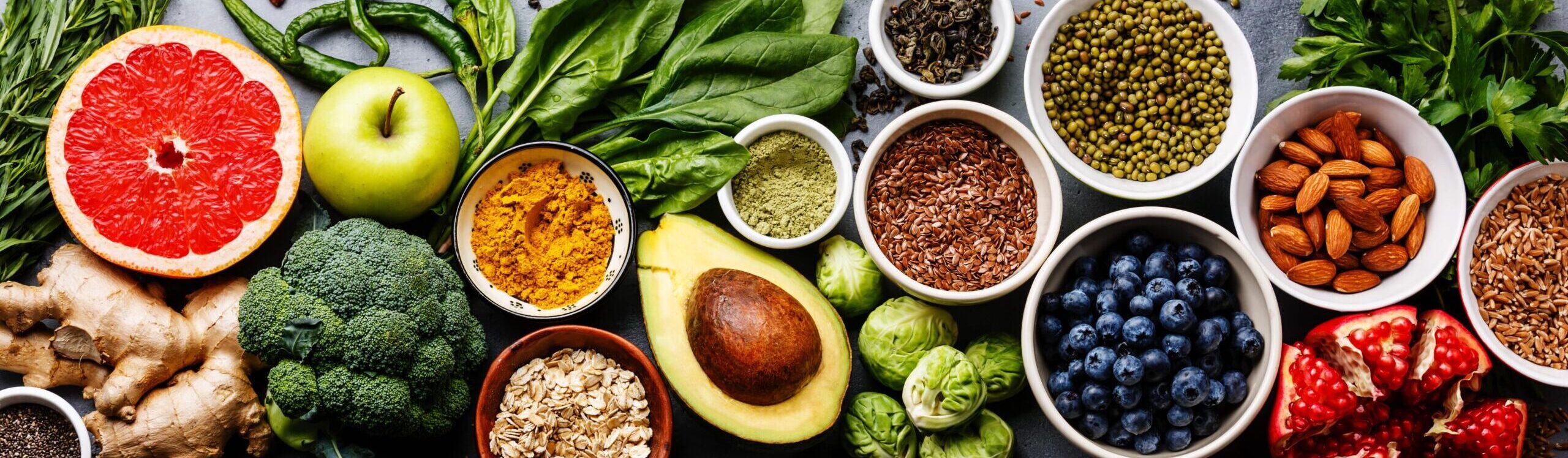
Imagine your body as a complex structure, one that relies on a host of organic compounds to maintain its strength and vitality. These foundational compounds, known as amino acids, are the unsung heroes in the grand scheme of your health and well-being. A myriad of amino acids exist, each serving its unique purpose, from building robust proteins to supporting neurotransmitter function. As you seek to optimize your health, understanding the various types of amino acids, their indispensable functions, and the benefits they provide is paramount. Moreover, recognizing food sources rich in amino acids is essential to ensure your diet adequately supports your body’s needs.
To harness the power of these vital nutrients, you must consume foods rich in essential amino acids, as your body cannot synthesize them independently. Animal proteins such as meat, eggs, and poultry are exemplary sources, as are plant-based options like soybeans which offer a complete amino acid profile. Beyond aiding muscle development, amino acids have far-reaching impacts on the nervous, reproductive, immune, and digestive systems—demonstrating their remarkable versatility and importance.
Key Takeaways
- The body requires 20 different amino acids, 9 of which are essential and must be obtained through diet.
- Amino acids are vital for processes such as protein building, hormone production, and neurotransmitter synthesis.
- Meat, fish, soybeans, and eggs are among the top food sources to acquire a balanced array of amino acids.
- The benefits of amino acids extend beyond muscle health to support other systems like the immune and digestive systems.
- Animal and certain plant foods provide complete protein sources, ensuring your intake of all essential amino acids.
Amino Acids Explained: The Fundamentals
Embarking on an exploration of amino acids is to understand the very essence of life itself. These compounds are not merely a part of your nutrition; they are central to the body’s functional mechanisms. As such, a foundational knowledge of amino acids illuminates their ubiquitous role in the body, from bolstering metabolism to facilitating communication between cells. Within the scope of this section, we will delve into the molecular intricacies that make amino acids indispensable to wellness and vitality.
Defining Amino Acids and Their Role in the Body
At their core, amino acids are organic molecules composed of nitrogen, carbon, hydrogen, and oxygen, coupled with a variable side chain that determines each amino acid’s unique properties. Their role in your body cannot be overstated. Amino acids are fundamental to protein synthesis, a vital process where cells generate new proteins that support growth, repair, and maintenance. Beyond constructing the proteins that shape your muscles and enzymes, amino acids act as precursors to hormones and neurotransmitters, highlighting their pivotal role in nearly every biochemical pathway.
How Amino Acids Form Proteins
The union of amino acids to form proteins is a marvel of biological engineering, where order begets function. Through a sequence-guided principle where amino acids are meticulously arranged based on genetic code, proteins come to life. These sequences fold into complex three-dimensional structures, each tailored to specific tasks within your body. Whether it’s catalyzing reactions as enzymes, offering structural support, or transporting nutrients, proteins are the workhorses born out of the realm of amino acids. They are, in essence, the literal threads of life’s fabric—woven intricately by the loom of amino acids in the body.
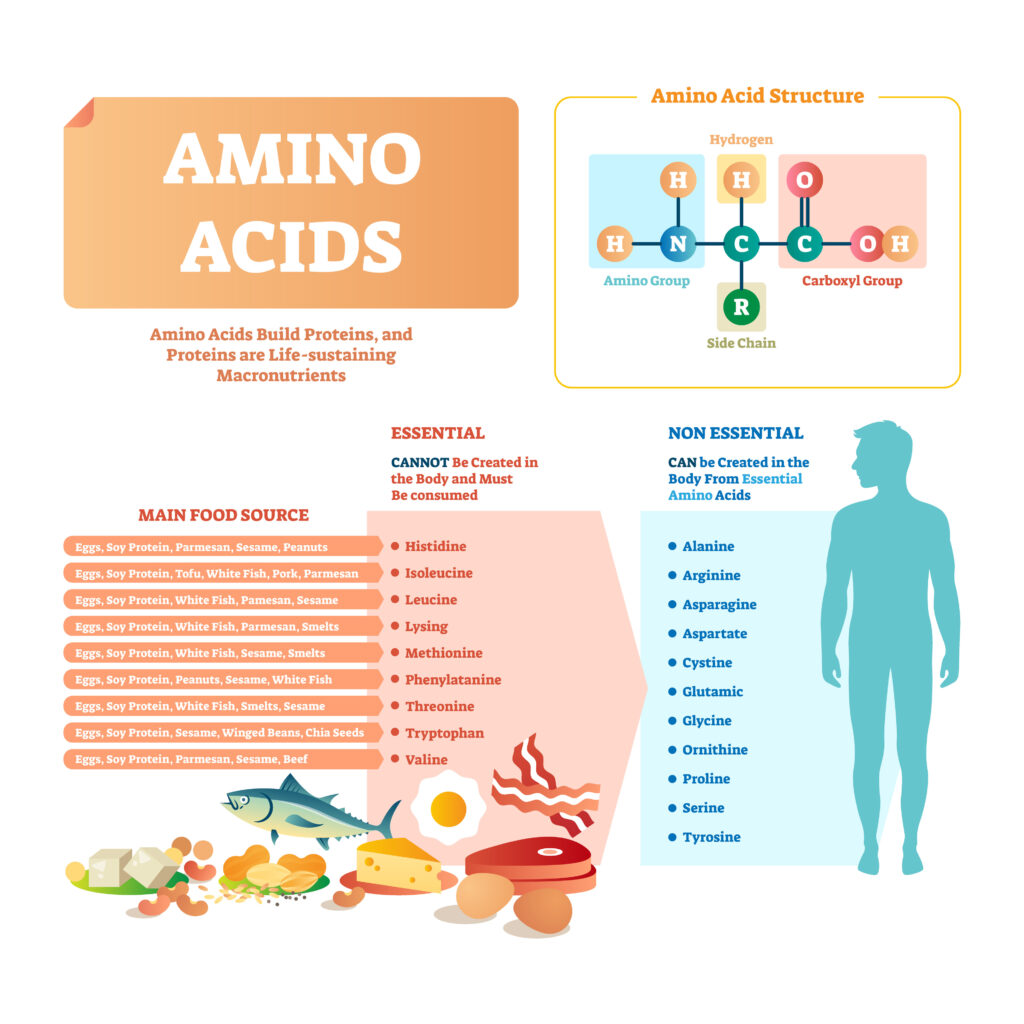
Amino acids vector illustration. List with food and its essential acids. Healthy and well balanced nutrition meal to get necessary chemical elements like histidine, lysing, valine, leucine and others.
Crucially, when you consume protein-rich food, the body employs a host of enzymes to break down protein into its constituent amino acids. These liberated amino acids are then free to embark on their diverse roles, from building new proteins in muscle tissue to bolstering your immune response—a testament to their dynamic capability to rejuvenate and sustain.
- Amino acids are central to the role of protein synthesis and a manifold of physiological functions.
- Each amino acid’s specific side chain contributes to protein diversity, impacting structure and function.
- The digested amino acids become the toolkit for bodily repair, immune defenses, and cellular communication.
Classifying Amino Acids: What Types Exist?
In the realm of nutrition and physiology, amino acids are classified into different categories based on the body’s ability to synthesize them. Here, we’ll explore the distinctions between essential, non-essential, and branched-chain amino acids—all of which contribute to the body’s complex biochemical symphony.
Essential vs. Non-Essential Amino Acids
The essential amino acids are those that your body cannot produce on its own and must be obtained through your diet. These include histidine, isoleucine, leucine, lysine, methionine, phenylalanine, threonine, tryptophan, and valine. On the contrary, non-essential amino acids are those that the body can synthesize, making dietary intake not strictly necessary for health. However, certain non-essential amino acids become conditionally essential during times of stress or illness when the body requires more than it can produce.
Non-essential amino acids, despite the label, still play crucial roles. They’re involved in various processes such as tissue repair, immune responses, and the maintenance of homeostasis within the body. It’s important to note that “non-essential” does not imply these amino acids are unimportant, but rather that they do not have to be obtained through food sources under normal circumstances.
Branched-Chain Amino Acids and Their Special Role
Branched-chain amino acids (BCAAs) — specifically valine, leucine, and isoleucine — are a subgroup of essential amino acids with a unique molecular structure. They carry a branched, aliphatic side-chain that distinguishes them from other amino acids. This structure has a specific implication for how BCAAs are metabolized, primarily within skeletal muscle, rather than in the liver like most other amino acids.
BCAAs play a pivotal role in muscle protein synthesis, making them particularly important for athletes and individuals engaging in regular resistance training. Their ability to enhance muscle recovery, reduce exercise-induced muscle soreness, and increase energy production during strenuous activities makes BCAAs invaluable for those looking to optimize their physical performance.
| Essential Amino Acid | Benefits | Primary Food Sources |
|---|---|---|
| Leucine | Protein synthesis, muscle repair, blood sugar regulation | Meat, eggs, soy products, nuts |
| Isoleucine | Muscle metabolism, immune function, hemoglobin production | Meat, fish, poultry, eggs, cheese |
| Valine | Stimulates muscle growth, energy production | Dairy, grains, mushrooms, peanuts, soy |
Despite the various dietary sources and types of amino acids, it’s important to consume a diverse array of foods to ensure you’re getting a sufficient amount of each. Recognizing the unique functions and sources of essential amino acids, non-essential amino acids, and branched-chain amino acids is key to formulating a balanced nutritional strategy that supports your body’s needs.
The Significance of Amino Acids in Protein Synthesis
Protein synthesis stands as a testament to the complex and meticulous nature of cellular operations—a process intrinsically dependent on the availability and incorporation of amino acids. As building proteins with amino acids is fundamental to the structure and regulation of every cell in your body, understanding amino acid functions is essential. Through the ribosome’s precision, amino acids are assembled into proteins, directed by the genetic code transcribed onto mRNA templates. This intricate dance of molecules is the core of life’s continuity and diversity.
Consider the vitality of essential amino acids within this intricate process; they are indispensable. Without them, the symphony of life would falter as these essential components form substances necessary for tissue growth and the necessary substrates for myriad enzymatic reactions. The role of amino acids extends beyond the simple notion of building blocks—they are active participants in cellular signaling and integral players in maintaining robust immune functions.
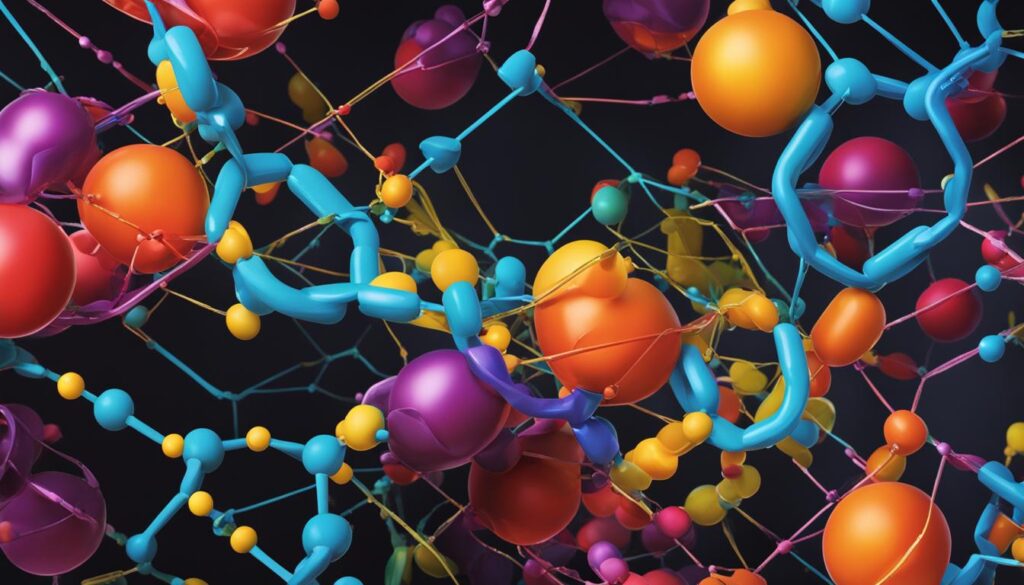
Envision each amino acid as a unique bead, strung on the thread of peptide bonds to fabricate diverse proteins. These proteins, constructed through amino acids in protein synthesis, then venture forth to fulfill roles as enzymes, hormones, or antibodies. Deny a cell just one essential amino acid, and the whole process can come to a grinding halt, underscoring the necessity of a diet rich in these essential nutrients.
- Essential Amino Acids: Required from the diet, they are imperative for producing proteins and managing health.
- Nonessential Amino Acids: Synthesized by the body, they still hold significant importance in overall wellbeing.
- Peptide Bonds: The chemical linkages that bind amino acids in a specific sequence—the backbone of protein structure.
Thus, the harmony of life’s functions is tuned by the presence of amino acids—their roles in protein assembly are as vital as the roles of the proteins themselves. Whether in the form of food or, when necessary, supplements, you must ensure your body is equipped with these life-sustaining molecules, enabling it to perform the delicate task of amino acids in protein synthesis, and fostering an environment for health and vitality.
How the Body Utilizes Amino Acids for Muscle Growth
For those embarking on the journey of physical fitness and strength training, amino acids are your muscles’ allies. These robust organic compounds are not only the building blocks for proteins but also pivotal catalysts in facilitating muscle growth, particularly when paired with resistance training. As you engage in rigorous exercise, understanding the role of amino acids in this process is critical for achieving optimal results.
Amino Acids and Resistance Training
When you subject your muscles to the stress of resistance training, it triggers the need for muscle repair and growth. This is where amino acids leap into action. Branched-chain amino acids, or BCAAs, are particularly noteworthy for their efficiency in prompting muscle protein synthesis. Ingesting these amino acids can boost your body’s ability to rebuild muscle fibers that are stressed during exercise, mitigating soreness and enhancing recovery, paving the way for substantial muscle growth.
Protein Turnover and Muscle Repair
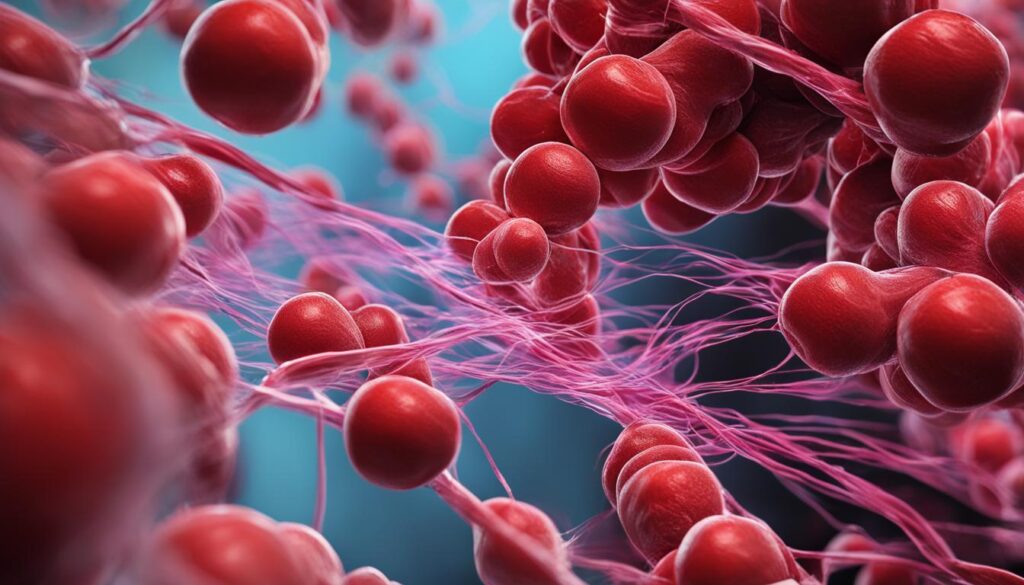
Your muscles are in a constant state of flux, engaging in what is known as protein turnover—the ongoing cycle of breaking down old proteins and synthesizing new ones. This balance is critical for maintaining muscular health and function. Amino acids stand at the core of this process. Amino acids like leucine are especially influential as they not only fuel muscle repair but also assist in regulating blood sugar levels and the production of growth hormones, essential components for sustaining muscle integrity.
| Amino Acid | Function in Muscle Growth | Benefits for Resistance Training |
|---|---|---|
| Leucine | Promotes muscle protein synthesis | Regulates blood sugar, stimulates growth hormones |
| Isoleucine | Involved in muscle metabolism | Enhances muscle recovery, regulates energy |
| Valine | Stimulates muscle fiber growth | Reduces muscle soreness, aids in energy production |
The incorporation of amino acids for muscle repair and synthesis is especially significant following workouts, ensuring your muscles bounce back stronger. A mindful diet or supplementation can offer your body the amino acids it needs, enabling you to keep the gears of muscle repair and growth moving smoothly.
Amino Acids in Supporting Brain Function and Mood
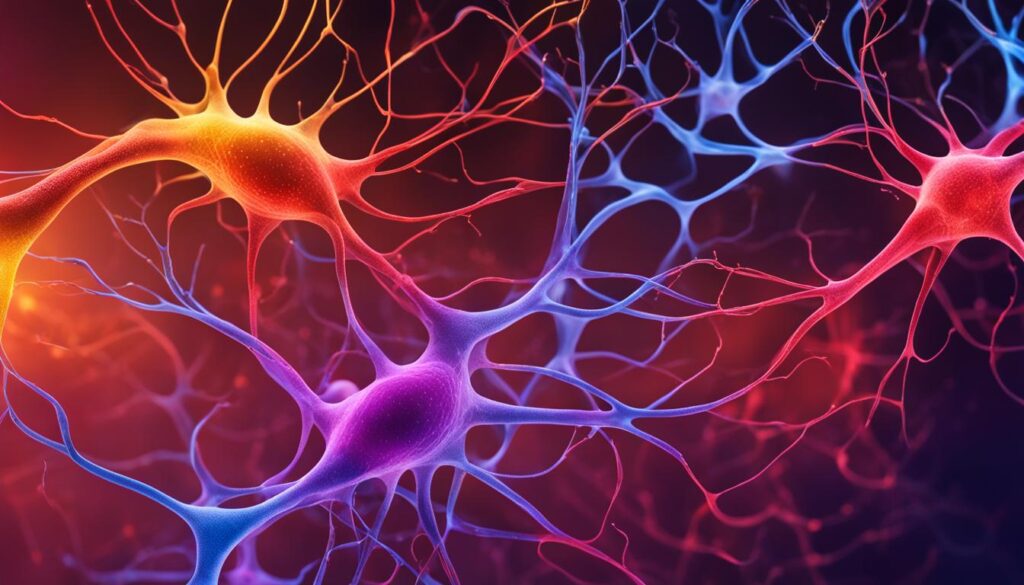
When diving into the vast ocean of nutritional science, one can’t help but notice the profound impact amino acids for brain function have. These organic compounds are more than mere building blocks for proteins—they’re pivotal in the synthesis of neurotransmitters, the chemical messengers that relay signals across your brain and influence everything from thought processes to emotional stability.
Neurotransmitter Production and Mental Health
Just as a maestro conducts an orchestra to produce harmonious music, amino acids orchestrate the symphony of neurotransmitter production essential for mental health. This biochemical taskforce influences cognition, mood, and overall neurological function. Amino acids for mood enhancement have been rigorously studied, and evidence continues to suggest their ability to affect mental well-being.
Key players in this neurological ensemble include compounds such as tyrosine, a derivative of phenylalanine, which is the predecessor for dopamine, norepinephrine, and epinephrine. These neurotransmitters are crucial for feelings of motivation and well-being, acting as the brain’s natural reward system compounds. Enhancing your diet with amino acid-rich foods or supplements may support balanced neurotransmitter levels, generally leading to improved mood and cognitive functions.
The Link Between Tryptophan and Serotonin
Specifically, tryptophan, an essential amino acid, transcends its role by acting as a precursor for serotonin production, a neurotransmitter pivotal for regulating appetite, sleep, and mood. Low levels of serotonin are often associated with mood disorders, making amino acids for brain function such as tryptophan instrumental in mental health management. By harnessing these amino acids through careful dietary choices or supplements, you could potentially pave the wave for a more balanced and serene mental state.
- For the production of serotonin: Tryptophan-rich foods like turkey, eggs, and cheese can be included in your diet.
- To encourage dopamine synthesis: Consider incorporating tyrosine sources such as almonds, pumpkin seeds, and soy products.
Ensuring a diet rich in diverse amino acids could contribute significantly to mood regulation and mental acuity, safeguarding your neurological health. It’s about nourishing the brain with the right ingredients to promote an optimal mental state, with amino acids being one of the key nutrients in this pursuit.
Amino Acids: Types, Function, Benefits, What Type of Food
The journey towards optimal health involves understanding the critical role of dietary amino acids. These organic compounds are much more than tools for muscle building; they are essential for the proper functioning of organs, glands, tendons, and arteries. They also play a significant part in healing and repairing tissues post-injury. Rich sources of amino acids are found in a variety of foods, each contributing to the complex puzzle that constitutes a health-promoting diet.
Beyond simply constituting a portion of dietary intake, the benefits of amino acids permeate through numerous bodily functions. They are integral in maintaining the structural integrity of cells, facilitate vital metabolic pathways, and contribute to cardiovascular and immune system health. Food sources dense in these vital compounds include meats, seafood, eggs, dairy, soy products, and certain legumes, each offering a unique array of these essential nutrients. For instance, the nutritional powerhouse of eggs supplies a full range of essential amino acids necessary for daily metabolic functions.
For those looking to boost their intake, amino acid food sources are abundant and varied. Including a diverse array of protein-rich foods, from animal-based to plant-derived, ensures you receive a comprehensive spectrum of these essential compounds. For individuals with increased nutritional needs, such as athletes, or those recovering from surgery or facing infection, supplementing with specific amino acids may offer additional benefits and support healing and performance.
Indeed, adopting a diet that includes a full range of amino acids can have a notable impact on your overall well-being. From improving mood and enhancing athletic performance to supporting the body through recovery and stress, the dietary amino acids you choose to consume play a foundational role in health maintenance. It’s not just about achieving a balanced diet; it’s about equipping your body with the nutrition it needs to thrive.
To maximize the benefits of amino acids, consider incorporating the following examples into your meal planning:
- For a boost in lysine: consume cheese, eggs, fish, and potatoes.
- To increase your intake of methionine: look to sesame seeds, Brazil nuts, fish, and cereal grains.
- For a rich source of leucine: include foods like chicken, beef, pork, and pumpkin seeds in your diet.
By focusing on these amino acid food sources, you can help ensure that your nutritional needs are met, providing your body with the essential building blocks it requires for optimal function. Remember, while some may opt for supplements, nature offers a bounty of sources rich in these vital nutrients. Explore and enjoy the variety that a well-rounded diet can provide, and reap the rewards of improved health and vitality.
Immune System Support Through Amino Acids
Your body’s immune system is a complex network that works tirelessly to protect you from pathogens. Essential to its function are certain immunonutrients, including amino acids that play pivotal roles in maintaining and enhancing your immunity. Amino acids such as arginine are notable for their ability to support immune responses and facilitate healing processes.
Arginine, in particular, is recognized for its influence on immunity. It serves as a precursor to nitric oxide, a molecule that plays a critical role in immune defense mechanisms. Additionally, glutamine is another amino acid that provides energy to immune cells, supporting their proliferation and function, especially in the gut where a significant portion of the immune system resides.
Furthermore, histidine is involved in the production of histamine, a compound essential for the body’s initial immune response to allergens and infections. Lysine is also closely associated with the immune system due to its reputed role in antibody production.
To ensure your immune system gets ample support, consider incorporating rich sources of these amino acids into your diet or through supplementation. Now, let’s take a look at some of the key amino acids that bolster immunity and their primary food sources:
| Amino Acid | Role in Immune Support | Primary Food Sources |
|---|---|---|
| Arginine | Enhances immune defenses, wound healing | Meat, dairy products, nuts, seeds |
| Glutamine | Provides energy for immune cells, gut health support | Eggs, beef, tofu, rice |
| Histidine | Produces histamine for immune responses | Chicken, turkey, soybeans, whole grains |
| Lysine | Involved in antibody production | Cheese, fish, potatoes, red meat |
By ensuring these amino acids are a regular part of your diet or supplement regimen, you can support and possibly enhance your immune system’s ability to fight off invaders and recover from illnesses. A well-functioning immune system is paramount for overall health, and amino acids for immune system support provide an excellent foundation for building and maintaining this complex network of defense.
Essential Amino Acids and Their Specific Functions
Within the pantheon of nutrients essential for a thriving body, essential amino acids stand out for their critical roles. Each of these amino acids contributes significantly to our health, supporting a myriad of biological processes that range from muscle repair to immune system defense. Two amino acids in particular, lysine and methionine, offer unique advantages that underscore the diverse capabilities of these vital organic compounds.
Lysine’s Role in Calcium Absorption and Immune Health
Lysine is well known for supporting calcium absorption, a mineral pivotal for bone strength and overall cellular function. This essential amino acid is also a key player in producing hormones and enzymes that regulate various bodily processes. The benefits of lysine extend to immune health, where it participates actively in producing antibodies and has a crucial role in energy production. Moreover, it is essential for the synthesis of collagen and elastin, both imperative for healthy skin, tissue repair, and other regenerative processes in the body.
Methionine and its Importance for Metabolism
Methionine serves multiple functions in the body, notably in metabolism and detoxification pathways. As a crucial component for tissue growth, it greatly enhances the body’s ability to recover and rebuild. Furthermore, methionine’s function includes the critical absorption of minerals such as zinc and selenium, which are indispensable for maintaining a healthy immune system and protecting against oxidative stress. Its role in the body exemplifies the multifaceted nature of essential amino acids.

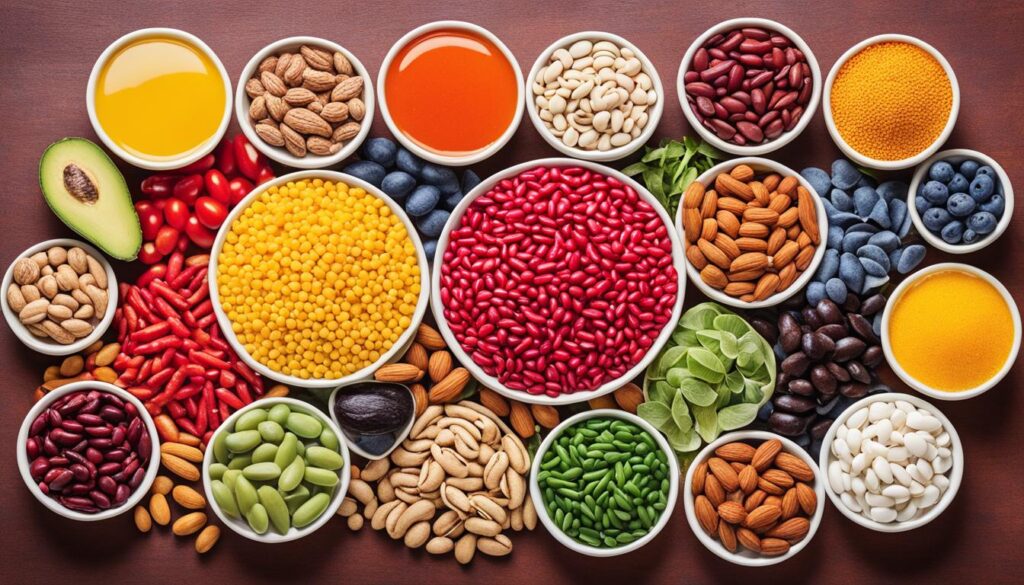
Your dietary choices can have a profound impact on the levels of these essential amino acids in your body. Including a variety of foods rich in lysine and methionine is vital for optimizing your health. Sources such as legumes, fish, eggs, and soy products for lysine, and meats, seeds, nuts, and dairy for methionine, can form the cornerstone of a nutrient-dense diet that provides these indispensable amino acids.
| Essential Amino Acid | Important Function | Suggested Dietary Sources |
|---|---|---|
| Lysine | Calcium absorption, immune support, collagen synthesis | Legumes, fish, eggs, soy products |
| Methionine | Metabolism aid, detoxification, mineral absorption | Meats, sesame seeds, Brazil nuts, whole grains |
Recognizing the function of methionine alongside the wide-ranging benefits of lysine can guide you in tailoring your diet to support these amino acids’ pivotal roles. As you seek to enrich your health, giving due attention to the foods you consume can ensure you derive the full spectrum of wellness benefits these essential amino acids offer.
Exploring Conditionally Essential Amino Acids
Our bodies demonstrate remarkable adaptability in how they utilize amino acids. Under typical circumstances, some amino acids are synthesized internally and are considered non-essential. However, certain life events demand a closer look at these versatile molecules, specifically when they transition to become conditionally essential amino acids. This unique group highlights the dynamic nature of our nutritional needs in response to varying physiological states.
Understanding When Non-essential Amino Acids Become Essential
During periods of intense stress, such as injury, infection, or surgery, the demand for specific amino acids goes up exponentially. These compounds are instrumental for repair, recovery, and immune system functions. You’ve likely encountered two such amino acids, arginine and glutamine, crucial for such critical phases. Their roles become pronounced as they shift status from being non-essential to conditionally essential, underscoring their importance in your diet or supplementation strategy during these times.
Around Illness and Stress: Arginine and Glutamine
When you are navigating the stress of an illness or recovering from trauma, the body’s requirements for certain amino acids can exceed its capacity to produce them. Arginine, known for its contribution to wound healing and immune support, becomes particularly essential. Similarly, glutamine, with its far-reaching influence on cells with rapid turnover such as the immune system, finds its demand surging. Both arginine and glutamine are pivotal in supporting your body’s stress response, backing the immune system’s combative efforts against pathogens or facilitating the healing process post-injury. They exemplify the remarkable adaptability of amino acids to cater to the body’s heightened needs during stress and disease.

In the face of pregnancy, the body’s strategy is to prioritize nutrients for two, propelling specific amino acids to the forefront. Arginine and glycine stand out as conditionally essential amino acids, central to nurturing both mother and fetus. With science shedding light on the nuanced demands of the human body during various life stages, our understanding of these critical nutrients grows, helping inform dietary choices and potential supplementation for optimal health outcomes.
Maximizing Benefits: Amino Acid Supplementation
When striving for peak physical and mental health, it’s essential to recognize the targeted advantages of amino acid supplements. Although a balanced diet typically meets the body’s amino acid requirements, certain situations—such as intensive workouts, recovery periods post-injury, or high-stress environments—can benefit from specialized supplementation. In these instances, supplementing with BCAAs (branched-chain amino acids) can alleviate muscle soreness and enhance recovery post-exercise, while supplements boasting tryptophan may contribute to a more positive mood through increased serotonin production.
Let’s delve deeper into the benefits of amino acids through supplementation:
- Alleviating Muscle Soreness: Experiencing muscle fatigue or soreness after an intense workout? Amino acid supplementation, particularly with BCAAs, can help reduce these symptoms and expedite your recovery process, allowing you to return to your training with minimal downtime.
- Boosting Athletic Performance: For individuals aiming to enhance their athletic capabilities, supplementing with BCAAs has been shown to support endurance and reduce perceived exertion during exercise sessions.
- Enhancing Mood: Amino acid supplements containing tryptophan are reputed to increase serotonin levels in the brain, which can positively impact your mood and overall sense of well-being.
- Supporting Recovery: In the aftermath of injury or surgery, amino acids like arginine and glutamine become invaluable. They play a role in immune function and cell regeneration, potentially improving wound healing and recovery outcomes.
While the scientific community continues to explore the expansive role of amino acids in health and disease, empirical data underscores the supportive role supplementation can play in conjunction with a nutritious diet. Whether you’re looking to bolster your workout recovery or enhance your mood, a strategic approach to amino acid supplements may be beneficial. Consider consulting a healthcare provider to tailor a supplementation plan to your specific needs.

The Importance of Dietary Sources of Amino Acids
A well-rounded diet is a cornerstone of health and wellness, and within this dietary framework, the inclusion of ample dietary sources of amino acids is essential. Labeled the building blocks of life, these organic compounds are fundamental in crafting proteins that dictate the structure and function of our cells.
Complete Proteins vs. Incomplete Proteins
Essential amino acids, those which your body cannot synthesize, must be sourced from food. Complete proteins, rich in all the essential amino acids necessary for bodily functions, are predominantly found in animal products such as meat, poultry, fish, eggs, and dairy. These high-quality proteins are vital for maintaining muscle tissue, supporting metabolic processes, and overall health.
Contrastingly, incomplete proteins lack one or more of the essential amino acids. They are often derived from plant sources such as beans, lentils, nuts, and whole grains. To sustain a balanced intake of amino acids, especially within a vegetarian or vegan diet, combining various plant-based foods can result in a complete amino acid profile. This method of combining different incomplete proteins to create a full spectrum of essential amino acids within a meal or throughout the day ensures your dietary regimen supports your body’s vast array of biological activities.
Plant-Based Options for Essential Amino Acids
For those following a plant-based diet or simply looking to diversify their sources of nutrients, plant-based amino acids provide a myriad of benefits. While individually, many plant sources do not offer complete proteins, strategic planning can yield a diet abundant in all essential amino acids. Quinoa and soy stand out as plant-based complete proteins, making them invaluable staples for those eschewing animal products.
Intriguingly, even plant-based diets, when comprised of a variety of foods, can seamlessly support your protein requirements. Opting for such a diet rich in plant-based amino acids not only aligns with vegetarian and vegan lifestyles but can also be a way to introduce new flavors and textures into your meals, fostering an enjoyable and healthful dietary experience.
In conclusion, whether your dietary sources of complete proteins are animal-based or you prefer a plant-based approach, the key is balance and variety. This ensures a comprehensive array of essential amino acids conducive to optimal health and well-being. By harnessing the nutritional power of these proteins, you can contribute significantly to your body’s intricate and dynamic functioning.
Nutritional Requirements: How Much Protein Do You Really Need?
As you aim to support your body’s essential functions and reach your fitness goals, understanding your amino acid intake requirements becomes a key component of your nutritional strategy. The World Health Organization (WHO) has set forth guidelines on dietary protein needs that can help you determine your specific amino acid requirements, ensuring that your diet supports your overall health and activity levels.
Calculating Your Amino Acid Needs
Calculating your individual amino acid needs involves considering various factors such as your body weight and activity level. Incorporate a balanced intake of amino acids into your diet to help fuel your body’s processes, like building muscle protein and regulating metabolic pathways.
World Health Organization’s Recommendations on Amino Acid Intake
According to WHO amino acid recommendations, the average adult’s dietary protein needs are determined by their body weight. For each kilogram of body weight, a certain amount of each essential amino acid is required. For example, regarding isoleucine, an adult weighing 60 kg would require approximately 1.2 grams of this particular amino acid per day. While most people can fulfill these needs through their daily meals, certain populations, such as athletes or individuals with specific health conditions, may need to pay closer attention to their amino acid consumption.
Ultimately, a well-rounded diet, rich in complete protein sources, typically meets and even exceeds the minimum essential amino acid intake requirements for most individuals. However, if you fall into a category with higher demands or have restrictions that impact your protein intake, understanding and applying these WHO guidelines can be crucial in maintaining and enhancing your health.
Complete Protein Sources: Where to Find Them
When constructing your diet to align with fitness and health goals, incorporating complete protein sources is paramount. These food items stand out because they contain all nine essential amino acids crucial for the body’s physiological needs. While animal-based proteins like meat, fish, poultry, eggs, and dairy are recognized as complete proteins, there are also plant-based complete proteins that offer a realm of benefits, particularly for those adhering to vegetarian or vegan diets.
Animal-Based and Plant-Based Complete Proteins
Understanding the sources of complete proteins can help you tailor your dietary practices to meet your nutritional requirements effectively. Animal-based proteins, widely accepted as comprehensive sources of essential amino acids, can be found across a range of products. Meat, for instance, offers a significant amount of these amino acids per serving. Seafood is another powerhouse when it comes to amino acid content, catering to those who might prefer lighter fare or diversify their protein sources. On the other hand, plant-based diets are not left behind in this essential nutrient race. Foods like quinoa, buckwheat, hemp seeds, soybeans, and chia seeds bring forth the complete amino acid profile necessary for optimal health. These options not only accommodate dietary restrictions but also add variety to meal planning.
Integrating Whole Foods for a Balanced Amino Acid Profile
Achieving a balanced amino acid profile requires more than just focusing on individual sources. Whole foods offer a spectrum of nutrients in addition to amino acids, and their integration into your diet can ensure a more rounded intake of vitamins, minerals, and other vital substances. Pairing rice with beans or combining a variety of vegetables can augment the body’s myriad functions. As you cultivate diverse dietary habits, integrating both animal-based and plant-based complete proteins will cater to your unique lifestyle and health goals while ensuring complete protein sources for robust well-being.
| Complete Protein Source | Type | Benefits |
|---|---|---|
| Chicken breast | Animal-based | Rich in BCAAs, promotes muscle repair and maintenance |
| Salmon | Animal-based | High in omega-3 fatty acids, supports cardiovascular health |
| Tofu | Plant-based | Offers iron and calcium, suitable for vegan diets |
| Quinoa | Plant-based | Gluten-free and contains fiber for digestive health |
Consumer Tips: Making Smart Choices with Amino Acids
When navigating the complexities of amino acid consumption, making informed choices is key to optimizing your health. With 16 essential amino acids playing critical roles in your body, it’s vital to understand how to incorporate them into your diet effectively. These tips will guide you in making strategic dietary decisions that harness the health benefits of amino acids.
Start by assessing the protein content of the foods you consume. Animal-based products like meat, poultry, and dairy naturally contain a higher concentration of essential amino acids. However, if you lead a plant-based lifestyle, soy products such as tofu and tempeh are excellent alternatives as they offer a complete amino acid profile. It’s important to remember that variety is crucial—combine different plant-based proteins like beans, nuts, lentils, and whole grains to ensure you get all essential amino acids.
Moreover, consider the timing of your amino acid intake. Consuming amino acids shortly after exercise can greatly benefit muscle recovery and growth. If you engage in endurance sports or resistance training, your body’s demand for amino acids like leucine, isoleucine, and valine—the branched-chain amino acids—increases significantly. Optimizing intake around your workouts can help in muscle repair and facilitate better recovery.
| Essential Amino Acid | Benefits | Food Recommendations |
|---|---|---|
| Leucine | Muscle repair, blood glucose regulation | Lean meats, dairy, pumpkin seeds |
| Isoleucine | Energy regulation, immune function | Eggs, fish, legumes, nuts |
| Valine | Muscle metabolism, tissue repair | Cheese, soy products, seeds |
Supplementation is another viable option for ensuring adequate amino acid intake, especially if you’re recovering from illness or dealing with high stress levels. While food sources are ideal, supplements can provide a concentrated dose of particular amino acids that may support health and performance when dietary intake may not be sufficient.
Always practice caution and seek professional guidance before integrating supplements into your diet. A healthcare provider or a registered dietitian can help personalize your amino acid intake in line with your health goals and dietary preferences.
Mindfulness in your food selection is also essential—prioritize whole foods over processed ones to avoid unnecessary additives and thoroughly read nutrition labels to ensure the product meets your dietary needs.
In conclusion, your body’s need for essential amino acids is non-negotiable, but meeting this need doesn’t have to be daunting. By following these consumer tips and making smart choices with your amino acid intake, you can support your body’s functions effectively and enjoy the myriad benefits these vital compounds bring to the table.
Conclusion
Throughout this exploration of amino acids, you have uncovered the remarkable influence these fundamental building blocks exert on your body. From bolstering muscle growth to enhancing brain function, amino acids are indispensable to maintaining your health’s delicate balance. The essential amino acids, which you must obtain through diet, along with their conditionally essential and nonessential counterparts, collectively orchestrate a symphony of biological processes that sustain life. By ensuring a diverse intake of these compounds through a mix of complete protein sources—both animal and plant-based—you provide your body with the necessary components for optimal performance.
While most will find their intake of amino acids through a balanced diet, ones rich in meat, fish, eggs, and soybeans, others may require supplementation during specific life stages or due to unique health needs. Supplements can offer specific amino acids like BCAAs or tryptophan in concentrated doses to enhance athletic recovery, improve mood, or support the immune system during times of stress. These are tools at your disposal, each serving a purpose in aiding your journey to a healthy, vibrant life.
Incorporating this knowledge into your nutritional choices equips you with the power to support your body’s myriad functions. Armed with a deeper understanding of the impact amino acids have on every aspect of well-being, you’re prepared to make informed decisions that reflect your health aspirations. From the foods you select to the timing of your intake, each choice contributes to a holistic approach to health, driven by the pivotal role of amino acids. Recognizing and honoring the importance of these nutrients can lead to profound improvements in your physical vitality and mental clarity, guiding you towards an enriched, nourished existence.