
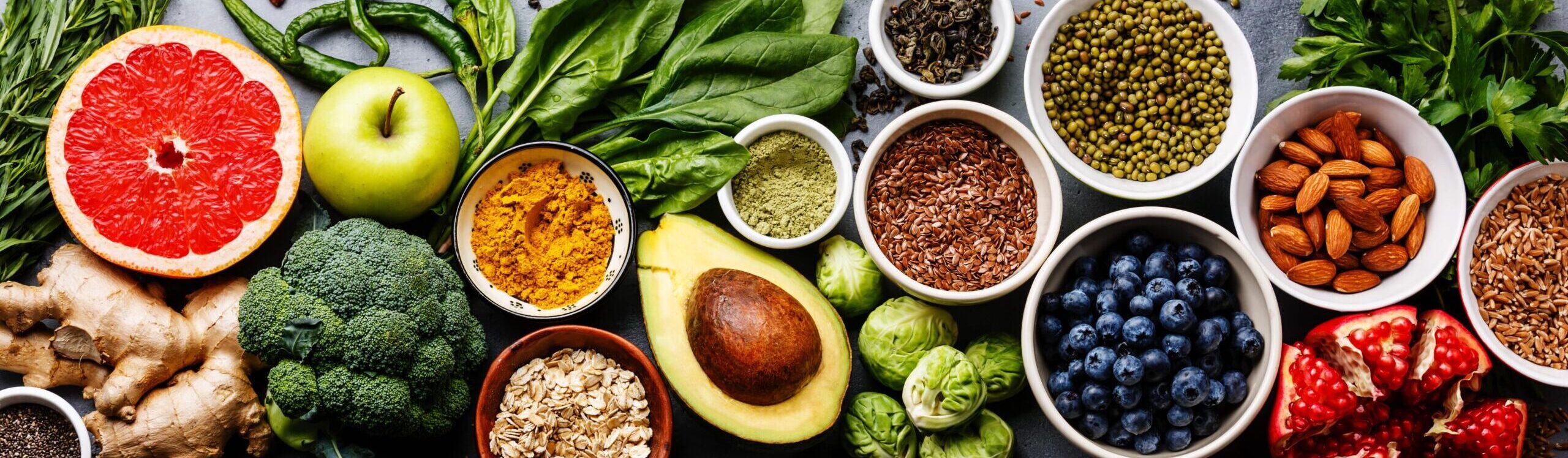
Proteins, essential macronutrients vital for various bodily functions, constitute the fundamental structure of the human body. Involved in nearly all aspects of our health, these crucial elements are often referred to as life’s building blocks. This article explores proteins’ role, sources, and importance for a balanced diet.
Definition and Function
Proteins: The Superheroes of Our Bodies
Imagine proteins as the versatile superheroes in our bodies, made up of amino acids, the building blocks of life. These incredible molecules, formed from carbon, hydrogen, oxygen, nitrogen, and sometimes sulfur, do important work based on our cells’ instructions.
Proteins have different roles in our bodies:
- The Builders: They help construct and repair our tissues, taking care of our muscles, organs, skin, hair, and nails.
- The Helpers: Acting as enzymes, proteins speed up important processes in our bodies, like digestion, metabolism, and energy production.
- The Messengers: Some proteins, like insulin and growth hormone, act as messengers in our bodies, controlling things like metabolism, growth, and development.
- The Couriers: Proteins transport crucial molecules, such as oxygen, nutrients, vitamins, and minerals, ensuring they get delivered where they’re needed. They also manage the storage and release of molecules, protecting things like iron in our red blood cells and calcium in our bones.
- The Protectors: Proteins work as antibodies and immune cells, defending our bodies against harmful bacteria, viruses, and other pathogens, making our immune system strong.
Proteins are like superheroes, doing different jobs to keep our bodies healthy and safe.
Amino Acids: Essential vs. Nonessential
Amino acids are the special building blocks that make up proteins. Imagine them as two different groups: essential and nonessential.
Essential Amino Acids: These are like VIP guests for your body. They need to come from your diet because your body can’t make them on its own. Some of these important guests include valine, leucine, isoleucine, lysine, methionine, threonine, tryptophan, phenylalanine, and histidine.
Nonessential Amino Acids: These amino acids are self-sufficient. Your body can make them, so you don’t have to rely on getting them from food. Some of these resourceful amino acids include alanine, arginine, asparagine, aspartic acid, cysteine, glutamine, glycine, proline, serine, and tyrosine.
Remember, it’s good to have variety! Eating a mix of protein-rich foods ensures that your body gets all the essential amino acids it needs. So, let your plate be a colorful mix of nourishing foods.
List of Food Sources of Proteins and Amino Acids
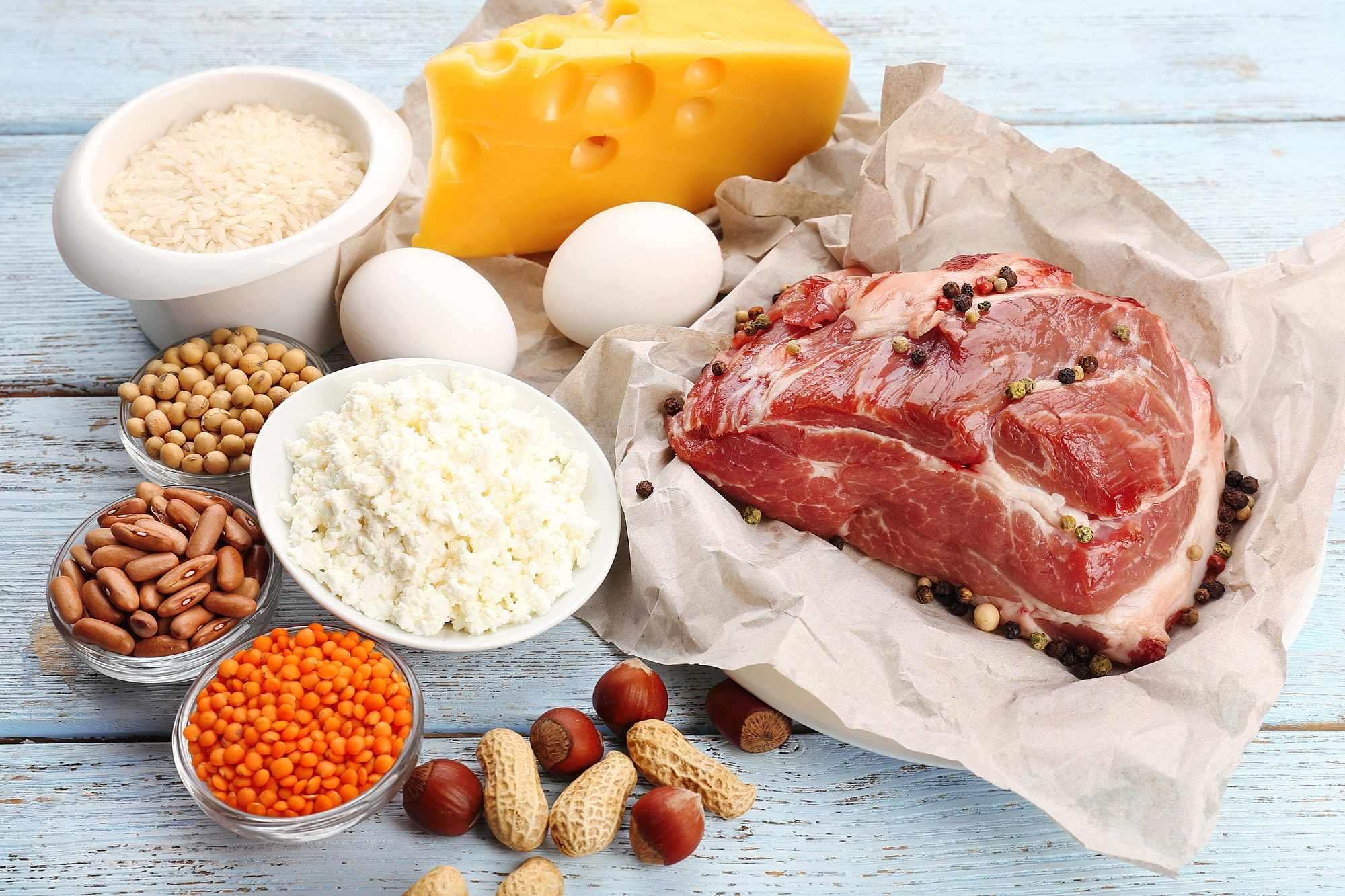
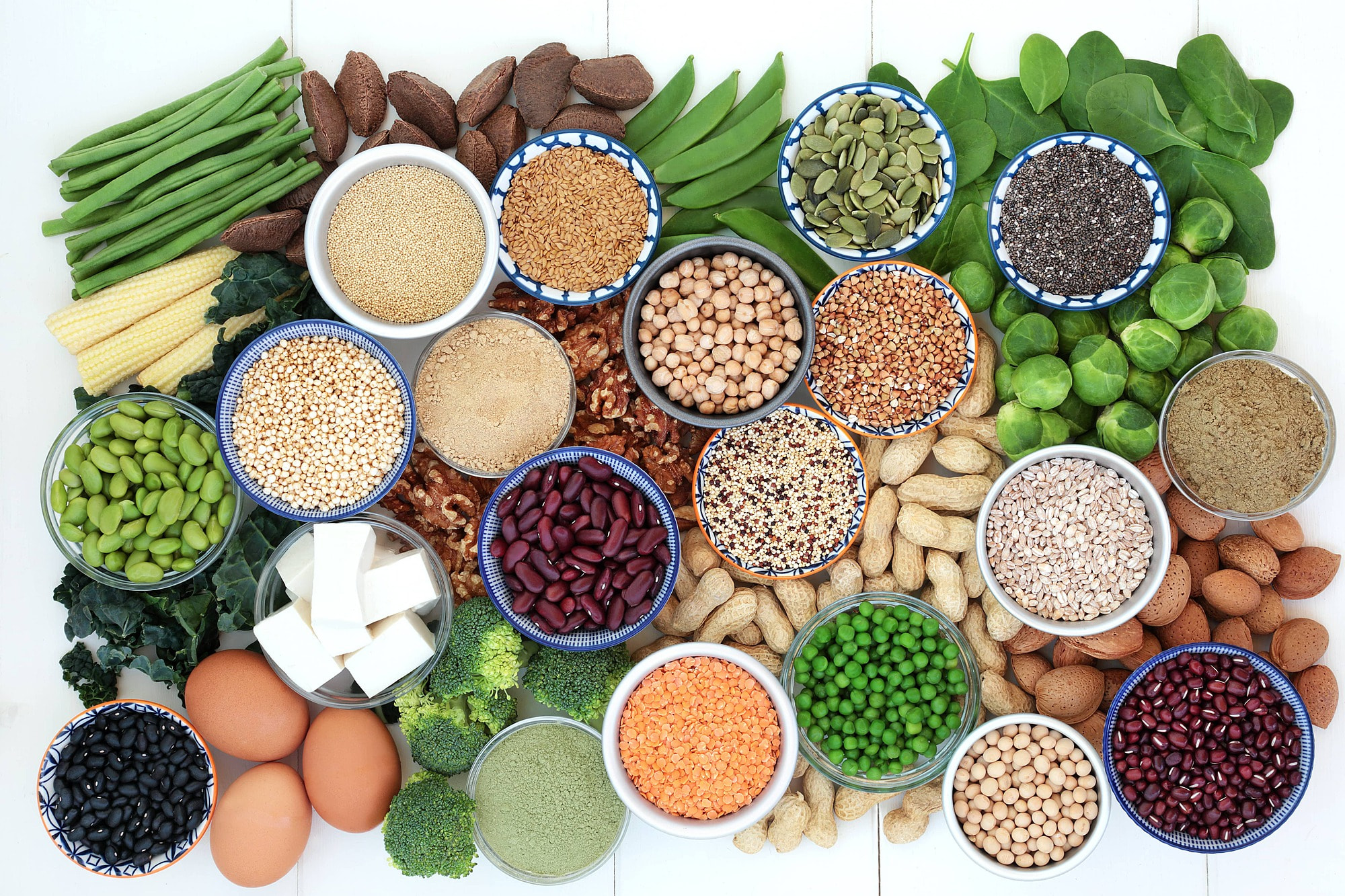
Let’s discover some amazing protein sources from nature’s pantry that provide your body with important amino acids. Take a look at these tasty and nutrient-rich options:
For Meat Lovers:
- Enjoy lean meats like chicken, turkey, beef, and pork for muscle-building nourishment.
- Dive into fish and seafood such as salmon, tuna, shrimp, and cod for heart-healthy benefits.
- Crack open eggs to get a complete protein package.
- Indulge in dairy products like milk, cheese, and yogurt for a good dose of calcium.
For Plant-Based Delights:
- Embrace legumes like beans, lentils, and chickpeas for fiber-filled satisfaction.
- Explore soy products like tofu and tempeh for versatile plant-based protein.
- Munch on nuts and seeds such as almonds, peanuts, chia seeds, and hemp seeds for a crunchy and energizing snack.
- Venture into whole grains like quinoa and brown rice for wholesome nourishment.
- Go green with leafy vegetables like spinach and kale for a boost of nutrient density.
Including these protein-rich foods in your daily meals ensures that you get a variety of essential amino acids for vibrant health.
Role in Diet and Health
Protein is a powerhouse nutrient that serves as the building blocks of life, fuels athletic performance, and boosts our immune system. Here’s why protein plays a leading role in our pursuit of a balanced and healthy diet:
- Build Strong Muscles: Protein is essential for muscle growth and repair, making it crucial for fitness enthusiasts and those recovering from exercise.
- Keep Hunger in Check: Protein-rich foods make you feel full faster, helping to control cravings and manage your weight.
- Regulate Blood Sugar: Protein slows down the absorption of glucose, helping to stabilize blood sugar levels. This is particularly beneficial for people with diabetes or those at risk.
- Boost Immunity: Protein plays a vital role in immune function, protecting against infections and diseases like a microscopic superhero.
Remember, protein needs vary from person to person based on factors like age, gender, activity level, and overall health. It’s best to consult a healthcare professional or registered dietitian to determine your specific protein requirements.
To maximize the benefits, diversify your protein sources to ensure a variety of amino acids, promoting overall health and well-being. As with any aspect of nutrition, balance and moderation are key. So, let protein shine as a centerpiece in your wholesome and well-rounded diet!